Tomamu, Japan: Family Ski Guide
Storybook ski terrain, champagne powder, zero Japan logistics to figure out.
Last updated: June 2026
Japan
Tomamu
Book Tomamu if your family has never skied and you want the trip to simply work, in a country where you can't read the signs, in snow lighter than anything you've touched in Europe or North America. The resort exists to remove friction, and it does that better than anywhere else in Japan. Don't book it if your family already skis well and wants terrain to explore, or if spending resort prices on every meal for a week would overshadow the experience. Booking sequence: reserve accommodation at Tomamu The Tower or Club Med directly through their websites first, peak weeks vanish months early. Then book private ski lessons if your children need English instruction. Flights to New Chitose Airport last. Equipment rental can be arranged on arrival at the resort base.
Is Tomamu Good for Families?
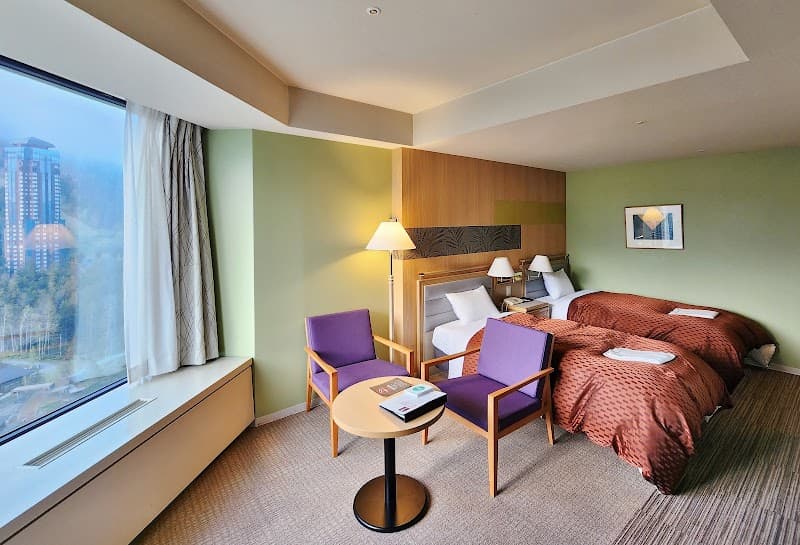
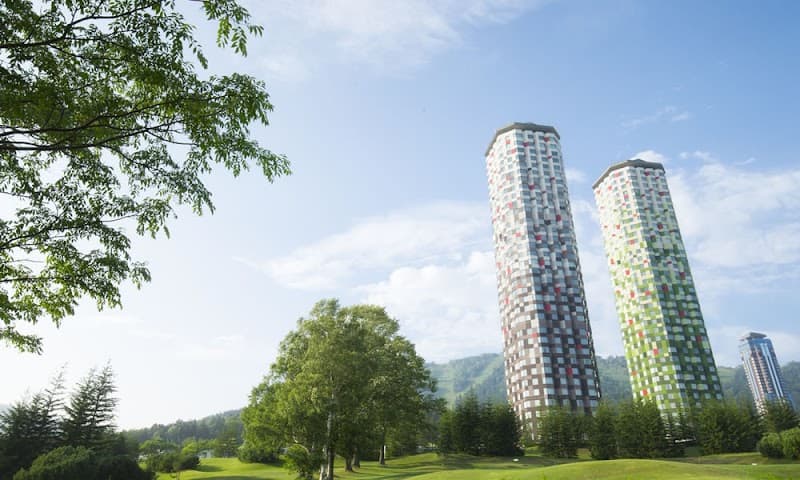
Tomamu is the strongest family ski resort in Japan for parents who have never put their children on snow, and don't speak Japanese. Your four-year-old steps out of the Tower Hotel lobby, walks twenty metres, and is on a magic carpet.
The resort handles every logistical anxiety a first-timer could have: childcare from five months, English-capable private instruction, and 20+ restaurants in ski boots. The catch is cost. This is one of Hokkaido's most expensive family setups, with no budget alternatives inside the gates.
Budget is tight — this is a premium resort with premium prices at every touchpoint
Biggest tradeoff
What's the Skiing Like for Families?
Learning to ski at Tomamu is as close to easy-mode as Japan gets. The Nipo Town beginner area sits directly outside the Tower Hotel lobby, no shuttle, no base-area navigation, just doors to snow. Your child can be in ski boots and moving within twenty minutes of finishing breakfast. The resort's Snow Kids Program moves children through a structured, safety-first progression. Japanese ski instruction culture is methodical and patient, expect repetition and technique focus rather than the freeform style common in European ski schools. For anxious first-time parents, this approach is reassuring: nobody rushes your child onto terrain they aren't ready for.
- Day 1, Magic carpet at Nipo Town: Flat, roped-off zone with play igloos and gentle inclines. Snowplough basics in a 120-minute session. Children aged 4-6 and 7-12 are grouped separately.
- Day 2-3, Debut Park: Slightly steeper gradient, still magic-carpet access. Confidence builds through repetition on short, controlled descents.
- Day 3-4, First chairlift on Tower Mountain greens: The breakthrough moment. Your child becomes a skier.
- Day 4-5, Connecting runs to Tomamu Mountain: Green and blue runs link the two mountains via a connecting chairlift. Real mountain skiing begins.
- Main friction point, English instruction: Group lessons (¥6,800-¥8,800 per child, 120 min) are taught primarily in Japanese. English-speaking instructors are confirmed for private lessons only (from ¥25,300 for two people, 120 min). Younger children adapt through demonstration, but if verbal instruction matters to your family, budget for private.
Multiple family reviewers on travel blogs describe it as the thing that made their reluctant five-year-old want to go back out after lunch.
For mixed-ability families, the two-mountain layout works naturally.
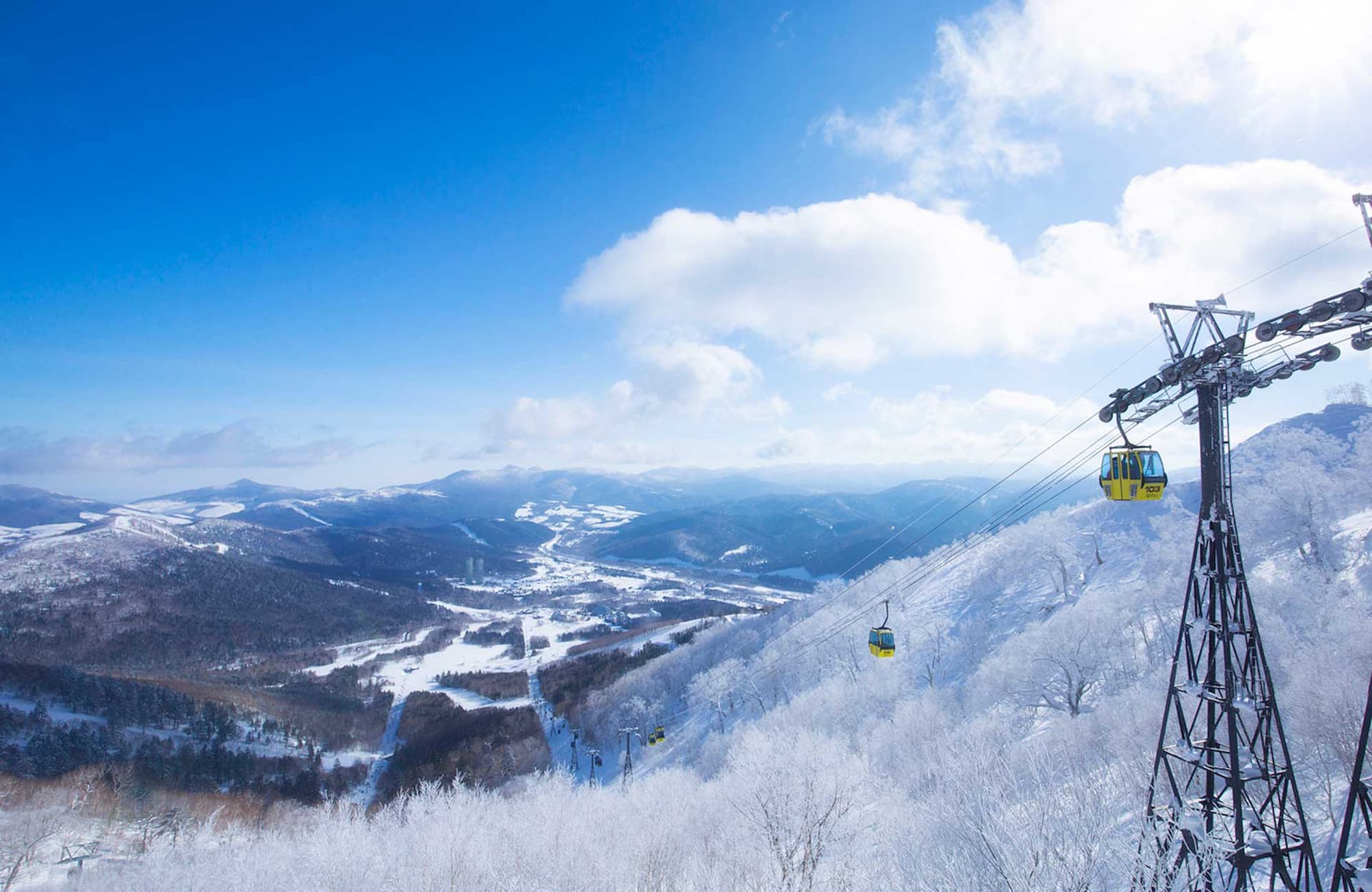
Confident skiers access steeper Tomamu Mountain terrain, or join the snowcat backcountry tour onto Karifuridake while beginners and young children stay on Tower Mountain's greens, all reconnecting at Hotaru Street mid-day without anyone removing a ski boot.
Trail Map
Full CoverageTerrain by Difficulty
Based on 62 classified runs out of 65 total
© OpenStreetMap contributors, ODbL
Planning Your Trip
🏠Where Should Your Family Stay?
Book directly through the resort website, Hoshino Resorts offers a best-rate guarantee, and peak weeks (late December through early January) sell out months ahead. Your first decision isn't which room. It's which operating model you want: do-it-yourself through Hoshino, or all-inclusive through Club Med.
- Tomamu The Tower (Hoshino Resorts), best for first-timers: Ski-in/ski-out high-rise directly above Nipo Town. Your child's first magic carpet is outside the lobby. Rooms are functional and Japanese-sized, compact by North American standards. The default family choice for a reason. One thing to know: you pay for everything separately, and on-resort dining costs accumulate quickly.
- Club Med Tomamu best total value for young families: All-inclusive bundles lift tickets, meals, English-language ski lessons, kids' club (from age 4), and evening entertainment into one price. Operates as a semi-independent entity within the resort with its own staff and schedule. One thing to know: the upfront price is steep, and you're locked into Club Med's dining rhythms.
- Risonare Tomamu (Hoshino Resorts), best for space: Larger suites for families wanting room to spread out, or those returning for a second visit. One thing to know: pricier and slightly further from the beginner terrain.
We don't have verified nightly rates for any property, pricing varies significantly by season period and room type. Request a direct quote for your specific dates from both Hoshino and Club Med, then compare totals including meals and lessons.
💬What Do Other Parents Think?
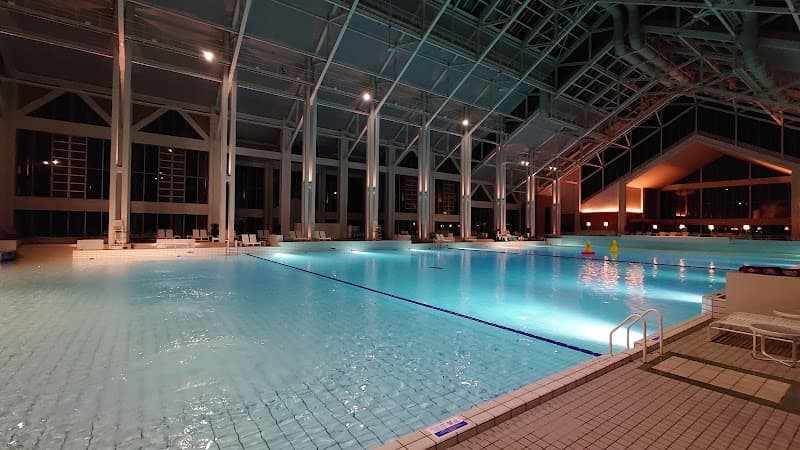
Parents rave about the snow quality above everything else. The forgiving Hokkaido snow makes falls soft and learning curves gentler. Adventure Mountain's story-based ski area gets consistent praise for keeping younger children engaged when their legs start complaining.
The honest complaints: terrain limitations. Families with confident intermediate or advanced skiers note they exhaust the interesting runs within a day or two. Families choosing Hoshino Resorts options report excellent quality but less hand-holding.
Practical tips from experienced families: book English-speaking instructors early during peak weeks (they fill fast), budget more time than expected for Mina-Mina Beach (it becomes a daily ritual), and do not underestimate GAO Childcare.
Families on the Slopes
(24 photos)Photos from Google Places. Posted by visitors.
☕What's There to Do Off the Slopes?
Evenings at Tomamu don't fade into hotel-room boredom, the resort was designed so the hours after skiing are as structured as the hours on snow. The food, in particular, is a reason to be here.
Hotaru Street is the anchor: Japan's first ski-in/ski-out dining and shopping street, with more than 20 restaurants accessible without removing gear. The standout is AFURI serving yuzu-scented ramen, a clean, citrus-bright broth that cuts through a cold Hokkaido day. Your children will ask to go back.
Hokkaido dairy appears everywhere: soft-serve from local farms, butter-rich pastries at breakfast, fresh milk that tastes different from anything at home. The food skews authentically Japanese rather than resort-bland, which makes eating here part of the cultural experience rather than a chore between activities.
- Ice Village (evenings, free entry): A full illuminated village rebuilt from ice each winter. Children walk through ice buildings, sit on ice furniture, drink hot chocolate from ice glasses. Food and drink cost extra. Walking distance from The Tower. Best for ages 3 and up, this is the memory your child describes at school the following Monday.
- Snow Kart (daytime, on-mountain): A 4,200-metre downhill kart course, Japan's longest, requiring zero ski ability. Accessible by gondola. Every family member can do this, including the grandparent who refused to put on skis. Age minimums apply; check with the resort.
- UNKAI Terrace at 1,088m (mornings): The gondola ascends to Frost Tree Terrace, where free self-service coffee and books about Hokkaido are laid out in a calm mid-mountain lodge. On clear mornings, the valley fills with a "sea of clouds" beneath you, a weather phenomenon unique to this geography. Early risers only, and conditions aren't guaranteed, but when it happens, it is extraordinary.
- CAT backcountry tour (advanced skiers): A snowcat carries skiers onto Karifuridake peak for genuine Hokkaido tree-line powder. Rare to find this as an on-resort product at a family destination. Your advanced teen or partner disappears into waist-deep snow for a morning while everyone else is at Nipo Town.
When to Go
Season at a glance — color-coded by family score
How Much Are Lift Tickets?
Tomamu is not a budget resort, and pretending otherwise wastes planning time. The meaningful savings come from when you book and what you bundle, not from hidden tricks.
- Online pre-purchase: The resort confirms lower lift ticket prices for online purchases versus buying at the gate. Adult day pass: ¥6,000. Child day pass: ¥4,400. Buy before you arrive, every ticket, every day.
- Season period timing: Tomamu runs three pricing tiers: Period A (peak), Period B (mid), Period C (shoulder). Group lessons drop from ¥8,800 to ¥6,800 per child between peak and shoulder. Early December and late March deliver the most dramatic savings across every line item.
- The Club Med calculation: If your family needs accommodation, lift tickets, three meals a day, English-language lessons, and childcare, run the Club Med all-inclusive total against assembling the same components through Hoshino. For families with children under 12, Club Med frequently works out cheaper than the sum of parts, especially when you'd otherwise book ¥25,300 private lessons for English instruction.
- On-resort dining. A family of four eating lunch and dinner at Hotaru Street restaurants can easily spend ¥8,000-¥12,000 per meal. There is no external town with cheaper alternatives. You eat at resort prices or you pack snacks from the resort shop.
- Under-6 lift pricing: Not confirmed in our research. Check directly with the resort before assuming free skiing for younger children.
Planning Your Trip
✈️How Do You Get to Tomamu?
Fly into New Chitose Airport (CTS) near Sapporo. It is the only practical gateway, with direct flights from across Asia (Tokyo Haneda and Narita, Seoul Incheon, Taipei, Bangkok, Singapore) and connections from major international hubs.
- Transfer options: 90 minutes by car or pre-booked resort coach. Alternatively, take the JR train from New Chitose to Tomamu Station (about 90 minutes, one change at Minami-Chitose), then a free 5-minute resort shuttle to the hotels. The train is comfortable, kids love it, and you skip winter highway driving entirely.
- Winter roads: Hokkaido conditions in January and February can be severe, with whiteout blizzards and packed-ice highways. Pre-booked resort transfer coaches are safer and less stressful than self-driving for families unfamiliar with Japanese winter roads. If you rent a car, studded tires come standard on Hokkaido rentals.
- Smartest family move: Book the resort's own airport coach through Hoshino Resorts Tomamu. One fewer decision in a foreign country, luggage handled, and your children stay contained for the transfer.
- Insiders know: If connecting through Tokyo, book the earliest domestic flight to Chitose. Afternoon arrivals mean you arrive at Tomamu after dark, miss the Ice Village on your first evening, and start jet-lagged. Morning arrivals get you to the resort by early afternoon, in time for a few gondola runs and dinner on Hotaru Street while the kids are still buzzing.
Common Questions
Everything families ask about this resort
Have a question we didn't cover? We'd love to add it to our guide.
The Bottom Line
Would we recommend Tomamu?
What It Actually Costs
A week at Tomamu costs meaningfully more than equivalent time at Furano or Niseko's outer villages. The premium buys convenience in a foreign country, not luxury finishes.
Here's what six days actually costs for a family of four (two adults, two children aged 6-12):
- Lift tickets (6 days): Adults ¥6,000/day × 2 = ¥72,000. Children ¥4,400/day × 2 = ¥52,800. Total: ¥124,800 (~$830 USD at current rates).
- Group lessons (3 sessions × 2 children): ¥6,800-¥8,800 per session depending on period. Budget ¥40,800-¥52,800 total.
- Private English lessons instead: ¥25,300+ per 120-minute session for two people. Three sessions = ¥75,900+. A significant jump that's hard to avoid if your child needs English instruction.
- Dining (6 days, all meals on-site): Budget ¥10,000-¥15,000 per day for four people. Total: ¥60,000-¥90,000. There are no off-resort alternatives.
- Accommodation: Verified nightly rates unavailable, pricing varies dramatically by season period and property. Request a direct quote from the resort for your dates.
The single biggest cost lever is the Club Med all-inclusive comparison. Families needing English lessons, childcare, three meals, and lift access should price the Club Med package against assembling each component separately through Hoshino. For families with children under 12, the bundled price frequently wins.
Shoulder-season timing (early December, late March) is the other lever. Every component, tickets, lessons, accommodation, drops in price outside peak weeks.
Your Smartest Money Move
For families with children under 12, Club Med frequently works out cheaper than the sum of parts, especially when you'd otherwise book ¥25,300 private lessons for English instruction.
The Honest Tradeoffs
Tomamu charges premium prices for everything, accommodation, lessons, childcare, dining, with no budget alternatives inside the gates. This is one of Hokkaido's most expensive family ski destinations, and the isolation is real: there is no village to wander, no local restaurant to discover on your own.
The purpose-built resort feel trades authentic Japanese mountain atmosphere for convenience. If experiencing Japan's culture matters as much as skiing Japan's powder, Tomamu will feel like a beautifully maintained terrarium.
The skiing terrain also tops out quickly. Advanced skiers may exhaust on-piste options in three days. The CAT backcountry tour helps, but it's a supplement, not a solution.
If this isn't right for your family, consider:
- Furano: Comparable Hokkaido powder, stronger intermediate terrain, meaningfully cheaper, but without integrated childcare or the English-language safety net.
- Niseko United: More terrain variety, a real village with independent restaurants and shops, better for advanced skiers, but more logistically complex with young children.
- Club Med Kiroro: Similar all-inclusive model in a cosier Hokkaido setting, with less off-snow programming but a more intimate feel.
Would we recommend Tomamu?
Book Tomamu if your family has never skied and you want the trip to simply work, in a country where you can't read the signs, in snow lighter than anything you've touched in Europe or North America. The resort exists to remove friction, and it does that better than anywhere else in Japan.
Don't book it if your family already skis well and wants terrain to explore, or if spending resort prices on every meal for a week would overshadow the experience.
Booking sequence: reserve accommodation at Tomamu The Tower or Club Med directly through their websites first, peak weeks vanish months early. Then book private ski lessons if your children need English instruction. Flights to New Chitose Airport last. Equipment rental can be arranged on arrival at the resort base.
Similar Resorts
Families who loved Tomamu also enjoyed these
Rusutsu
Nozawa Onsen
Shiga Kogen
Joetsu Kokusai
Kiroro
Niseko
Transparency note: This content was created with AI assistance and reviewed by Tom Meredith, our editor. Prices, dates, and availability may change. We recommend confirming details directly with the resort before booking.