Rusutsu, Japan: Family Ski Guide
Hokkaido powder, English ski school, zero Niseko crowds.
Last updated: June 2026
Japan
Rusutsu
Book Rusutsu if your family wants Hokkaido powder with English-speaking ski instruction and none of Niseko's crowds. This suits experienced families chasing snow quality the Alps can't match, mixed-ability groups who need genuine terrain separation across three mountains, and first-timers willing to plan ahead for the Samurai Kids program. Skip it if you need budget accommodation, walk-in lesson availability, or a short-haul trip with minimal logistics. Book first: Samurai Kids lessons, they fill weeks ahead, especially Christmas and February half-term Book second: Accommodation at The Vale Rusutsu or Rusutsu Resort Hotel for the shortest morning commute Book third: Flights to New Chitose Airport, date flexibility helps you avoid peak ski school surcharges On arrival: Equipment rental and lift ticket pickup can be handled the afternoon you arrive
Is Rusutsu Good for Families?
If Niseko is Hokkaido's headline act, packed lifts, booming nightlife, luxury everything, Rusutsu is its quieter, more deliberate family counterpart 30km down the road. Same legendary dry powder. English-speaking Samurai Kids ski school with supervised lunch. Ski-in/ski-out hotels across three mountains. Voted Japan's #1 family ski resort and #1 for advanced families in the same 2023 awards.
The flip side: this is a long-haul trip demanding serious advance planning, luxury-tier pricing, and comfort with Japanese-language barriers outside the ski school bubble.
Travelling after mid-March — spring rain documented in late March reviews
Biggest tradeoff
What's the Skiing Like for Families?
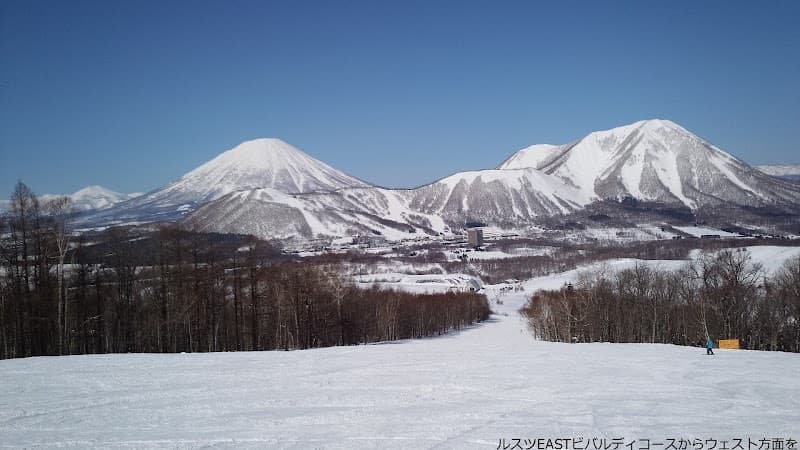
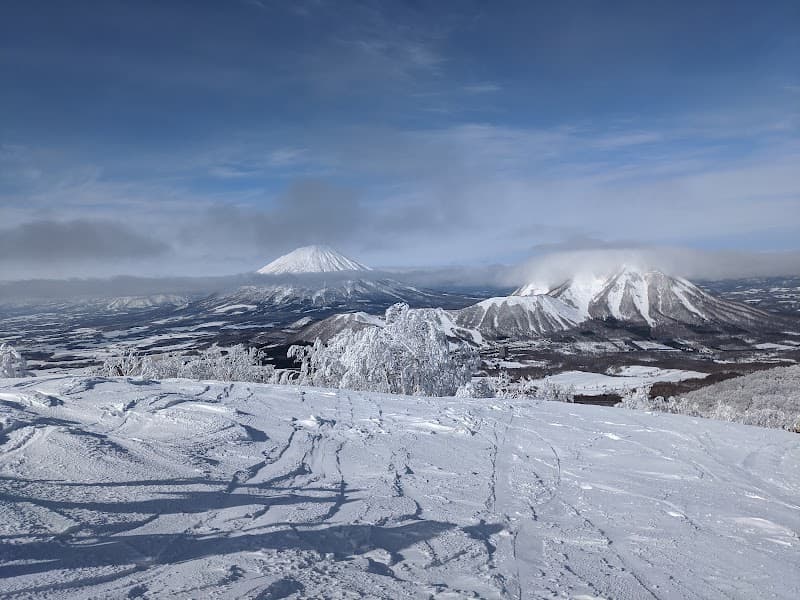
Book between mid-January and early March for the most reliable snow. Hokkaido sits in the path of cold Siberian air masses crossing the Sea of Japan, producing some of the driest, lightest powder on earth.
Local skiers call it "Japow," and at Rusutsu the term carries weight: a family blogger documented 15-20cm of fresh overnight snow as late as 17 March 2025.
- Christmas/New Year (20 Dec to 6 Jan): Snow is typically excellent but peak-season surcharges apply, Samurai Kids 2.5-hour sessions jump from ¥17,000 to ¥19,000. Book lessons months ahead.
- January, mid February: The sweet spot. Consistent cold temperatures, deep accumulation, thinner crowds than Niseko. Best window for first-timers who want low-stress conditions and regular-rate pricing.
- February half-term: Excellent snow. International visitor numbers climb but Rusutsu remains far less crowded than Niseko United during this period. NISADE (Niseko Alpine Developments), which operates both resorts, deliberately positions Rusutsu as the quieter family alternative.
- March: Still strong through mid-month with spring-rate discounts, Samurai Kids drops to ¥15,000 for 2.5 hours. After mid-March, rain risk increases sharply. One reviewer documented spring rain arriving by 21 March.
- Easter (late March/April): Too late. Season ends late March and conditions deteriorate fast once temperatures shift.
Mixed-ability families can split effectively across the three-mountain layout, but plan your meeting point before you separate. West Mountain skews accessible, wider runs, gentler gradients, and where the Samurai Kids program operates. East Mountain is steeper, rewarding confident teens and advanced parents with terrain variety that earned Rusutsu its #1 Best for Advanced Families ranking.
- Beginners and young kids: Stay on West Mountain. This is where lessons run and where Rusutsu earned its #2 Best for Beginners ranking in the 2023 Holiday with Kids awards.
- Advanced skiers: East Mountain delivers the challenge. Rusutsu won #1 for advanced families and #1 for all-round family activities simultaneously, rare dual recognition that reflects genuine terrain range.
- Mid-day meeting: Regroup at the West Mountain base. Crossing between mountains takes real time, agree on a specific location and window rather than a vague "see you at lunch."
- The Samurai Kids factor: Children in the 5-hour full-day program are supervised straight through lunch (hotel-prepared, included in the fee) and receive lesson-progress cards tracking their development. Parents get an unbroken skiing window from drop-off to pickup at the West Mountain ski school location.
Planning Your Trip
💬What Do Other Parents Think?
What Parents Love
You'll hear families rave about the powder, especially those coming from snowless climates.Families at The Vale Rusutsu particularly appreciate walking to the slopes in ski boots rather than coordinating transport with tired children. The Samurai Kids program gets high marks for English-speaking instruction and the supervised lunch option that actually frees parents to ski uninterrupted.
The Honest Concerns
Timing trips wrong is the most common regret.
Managing mixed-ability groups requires genuine strategy. Start everyone on West Mountain before venturing to East.
Families on the Slopes
(24 photos)Photos from Google Places. Posted by visitors.
🏠Where Should Your Family Stay?
Book Rusutsu Resort Hotel (North Wing) unless you specifically need apartment-style space, it puts you closest to the ski school, lift ticket desk, and slopes with the fewest steps between bed and snow.
- Best for convenience, Rusutsu Resort Hotel (North Wing): Lift ticket desk on the ground floor. Direct slope access. Shortest walk to Samurai Kids on West Mountain. The practical default for families who refuse to add transit logistics to lesson mornings. On-site dining and onsen facilities included.
- Best for space, The Vale Rusutsu: Apartment-style ski-in/ski-out suites managed by The Luxe Nomad. More room for gear, drying space, and self-catering breakfasts. Higher price point, but the kitchen offsets dining costs over a full week. Families staying longer than 4 nights benefit most.
- Approach with caution, The Westin Rusutsu: Confirmed ski-in/ski-out, but guests ride an internal monorail to reach the lifts. That extra step matters on lesson mornings. If your 4-year-old starts Samurai Kids at 9am, you need to be on the monorail by 8:15am at the latest. The resort's own ski school terms flag this transit time.
All three properties sit at the luxury end. No budget or mid-range accommodation surfaced in our research, treat lodging as a fixed cost rather than a variable one.
Onsen etiquette for first-time Japan visitors: Hotel hot spring baths require no swimwear, may restrict visible tattoos, and separate male and female bathing. Brief your family before arrival, especially children unfamiliar with communal bathing customs.
How Much Are Lift Tickets?
The 25-hour accumulative lift ticket is Rusutsu's most distinctive cost lever, and the one most visiting families miss entirely.
- The math: At ¥1,324/hour (~USD 9), skiing 4 hours/day for 5 days costs ¥26,480 per adult vs ¥37,000 for five daily passes at ¥7,400 each. That's ¥10,520 saved per person, over ¥40,000 for a family of four skiers.
- Who it suits: Families mixing ski and non-ski days. Parents rotating childcare shifts. Anyone who wraps up by 2pm for onsen and shouldn't pay for empty afternoon hours.
- Buy online, skip the queue: Purchase via the official Rusutsu website and pick up from the IC gate boxes at the resort. This avoids the ticket office queue, which, combined with separate rental and ski school desks in different locations, can swallow 60 minutes on a peak-season morning.
- Peak surcharge awareness: Samurai Kids lessons jump from ¥17,000 to ¥19,000 (2.5-hour, ages 4-7) during 20-31 December. Spring rates drop to ¥15,000 in March. Shifting your trip by one week in either direction delivers real savings.
- Buying daily lift passes instead of the 25-hour ticket. Paying peak-week ski school rates when January dates are available. Not pre-purchasing lift tickets online and losing slope time to queues.
- Data gap: Child lift ticket rates, under-6 free skiing status, and family pass bundles were not confirmed in our research. Check the official Rusutsu site for current child pricing before building your budget.
Available Passes
Planning Your Trip
✈️How Do You Get to Rusutsu?
Fly into New Chitose Airport (CTS) near Sapporo, the only practical arrival hub, then budget a 2-hour road transfer with no train alternative.
- Best airport: New Chitose (CTS). Direct flights from Tokyo (Narita and Haneda), Singapore, Hong Kong, Seoul, and other Asian hubs. European and North American families connect through Tokyo, consider adding a night in the capital if travelling with young children to break the journey.
- Transfer reality: Shared shuttles and private transfers run from CTS to Rusutsu. Budget 2 hours minimum, longer during heavy snowfall. Pre-book, this is not a destination where you hail a taxi at arrivals with ski bags and a toddler.
- Immigration buffer: CTS immigration queues during peak ski season are significant. Allow at least 90 minutes between landing and your transfer departure.
- Westin guests, note: The Westin Rusutsu uses an on-site monorail to connect to the lifts. It works, but adds transit time, factor in extra minutes if you need to reach the ski school desk before 9am lesson starts.
- Smartest family move: Book a late-morning transfer from CTS. Arrive at the resort by early afternoon, collect rentals and lift tickets that day, and you sidestep the 60-minute first-morning scramble that catches every arriving family off guard.
☕What's There to Do Off the Slopes?
Evenings at Rusutsu are quiet, and for families with young children, that's the whole appeal. There is no Niseko-style bar scene. The resort runs on hotel dining, onsen soaking, and early bedtimes.
- The essential activity, onsen: An evening soak in the hotel's hot spring baths will become your family's daily ritual by night two. The warmth after a cold powder day, the stillness, the steam, this is the moment your kids will talk about at school. It is not a wellness add-on; it is the cultural heart of a Japanese ski trip.
- Evening dining: Resort hotels offer multiple restaurants serving Hokkaido cuisine. Expect quality far above standard ski-resort fare. A bowl of Hokkaido miso ramen at the mountain will permanently recalibrate your expectations of cafeteria food.
- Walkability: Rusutsu is a self-contained resort complex, not a village with cobbled streets. You move between hotel facilities, not explore a town. This simplifies life with small children but limits evening variety.
- Day trips: Niseko is 30km away if you want a change of scene, though most families don't bother, three mountains provide enough variety for a full week without leaving the resort.
- Stock up before arrival: On-site grocery and snack options are limited. Families who rely on self-catering breakfasts or specific children's snacks should stop at a convenience store near New Chitose Airport before the transfer.
Hokkaido's food reputation is earned. The island produces Japan's finest dairy, soft-serve ice cream is a regional obsession and your children will demand one daily. Fresh crab and seafood feature prominently at hotel restaurants. The Samurai Kids full-day program includes a hotel-prepared lunch, so your child eats well even on lesson days without you coordinating mid-mountain pickups.
We don't have confirmed restaurant names or menu pricing from our research, hotel concierge desks can recommend specific dining options on arrival.
When to Go
Season at a glance — color-coded by family score
Common Questions
Everything families ask about this resort
Have a question we didn't cover? We'd love to add it to our guide.
The Bottom Line
Would we recommend Rusutsu?
What It Actually Costs
Rusutsu is not a budget ski trip. Luxury-tier accommodation with no confirmed mid-range alternative, long-haul flights to Hokkaido, and a 2-hour transfer set a high cost floor before anyone touches snow.
- Lift tickets: Adult day pass is ¥7,400 (~USD 49), reasonable by international standards. The 25-hour accumulative ticket at ¥1,324/hour saves roughly ¥10,500 per adult over a 5-day trip at 4 hours/day. Child rates were not confirmed in our research.
- Ski school: Samurai Kids 5-hour full-day with lunch costs ¥24,000 regular / ¥26,000 peak / ¥22,000 spring (ages 4-7). Most families book 3-4 lesson days. For two children over 4 days at regular rates, budget approximately ¥192,000 (~USD 1,280) for lessons alone.
- Accommodation: The Vale Rusutsu, Westin, and Rusutsu Resort Hotel are all positioned at the upper end. No nightly rates were confirmed, but expect pricing consistent with premium Hokkaido resort hotels. Self-catering at The Vale partially offsets dining costs.
- Where to save: Target early-to-mid January or March spring rates for the lowest ski school pricing. Use the 25-hour ticket instead of daily passes. Book the full-day Samurai Kids program, the included lunch effectively saves one meal cost per child per day. Stock up on snacks and breakfast supplies at a convenience store near CTS airport.
- Booking daily lift passes when the 25-hour ticket saves over 25% for typical family ski days. Paying peak-week surcharges when shifting dates by a single week drops to regular rates. Not purchasing lift tickets online and losing morning hours to queues.
Your Smartest Money Move
Data gap: Child lift ticket rates, under-6 free skiing status, and family pass bundles were not confirmed in our research.
The Honest Tradeoffs
- Cost floor is high: Return flights to Hokkaido plus luxury-only accommodation set a baseline well above European or closer Asian alternatives. No budget lodging exists at the resort.
- Language barriers are real: Outside the ski school and hotel reception, English support drops sharply. Daniel House daycare is Japanese-only. Restaurant menus, ticket machines, and medical services default to Japanese.
- Logistics compound: Three separate locations for ski school, rentals, and tickets. A midday daycare lunch-break pickup. Monorail transit time at the Westin. Each friction point is small; together they add up, especially with children under 5.
If Rusutsu isn't right for your family:
- Niseko United (30km away): More English infrastructure, wider accommodation range, more dining and nightlife, but significantly more crowded and no quieter family-resort atmosphere.
- Club Med Sahoro (Hokkaido): All-inclusive pricing removes the planning burden entirely, lessons, meals, childcare, and lifts in one price. Less terrain variety, but zero logistics stress for first-time Japan visitors.
- Furano (Hokkaido): Comparable powder quality with a more traditional Japanese town feel and a broader range of accommodation price points. Less structured family programming than Rusutsu.
If the fit feels off, look at Niseko for deeper powder and better family infrastructure.
Would we recommend Rusutsu?
Book Rusutsu if your family wants Hokkaido powder with English-speaking ski instruction and none of Niseko's crowds. This suits experienced families chasing snow quality the Alps can't match, mixed-ability groups who need genuine terrain separation across three mountains, and first-timers willing to plan ahead for the Samurai Kids program.
Skip it if you need budget accommodation, walk-in lesson availability, or a short-haul trip with minimal logistics.
- Book first: Samurai Kids lessons, they fill weeks ahead, especially Christmas and February half-term
- Book second: Accommodation at The Vale Rusutsu or Rusutsu Resort Hotel for the shortest morning commute
- Book third: Flights to New Chitose Airport, date flexibility helps you avoid peak ski school surcharges
- On arrival: Equipment rental and lift ticket pickup can be handled the afternoon you arrive
Similar Resorts
Families who loved Rusutsu also enjoyed these
Tomamu
Nozawa Onsen
Joetsu Kokusai
Shiga Kogen
Sahoro
Ryuoo
Transparency note: This content was created with AI assistance and reviewed by Tom Meredith, our editor. Prices, dates, and availability may change. We recommend confirming details directly with the resort before booking.