Myoko Kogen, Japan: Family Ski Guide
¥7,000 lift pass, ramen at the base, chairlifts have no safety bars.
Last updated: July 2026
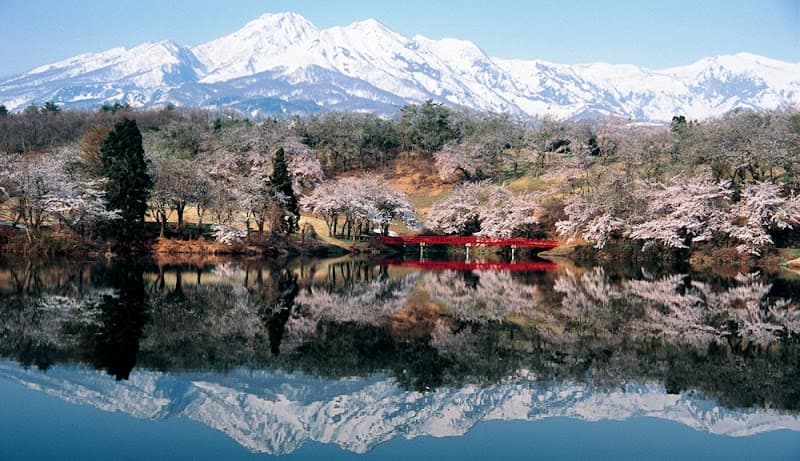
Japan
Myoko Kogen
Book a ryokan or pension in Akakura or Suginosawa for the best onsen access. If Myoko is too complex to navigate, Nozawa Onsen is a single village with similar charm. For maximum powder, Hokkaido's Niseko Furano or Kiroro are the standard. Madarao is nearby with excellent tree skiing. Book at a ryokan or pension in Akakura Onsen for the best combination of slopes and hot springs. Buy a multi-day pass for the Myoko Kogen area. The Shinkansen to Joetsu-Myoko takes 2 hours from Tokyo. Peak powder runs late January through mid-February. The Akakura Kanko Hotel is the most family-friendly option with on-site onsen.
Is Myoko Kogen Good for Families?
Myoko Kogen is Niigata's onsen-and-powder playground. Multiple resorts across one area, deep snow, and hot spring baths everywhere. More authentic Japanese mountain culture than Niseko, more snow than Hakuba, and the food (Niigata is Japan's rice and sake capital) is outstanding. If your family wants deep Japan with deep powder, Myoko delivers both.
Less polished than Niseko but richer in experience.
You have under-5s who need a safety bar on every lift
Biggest tradeoff
What's the Skiing Like for Families?
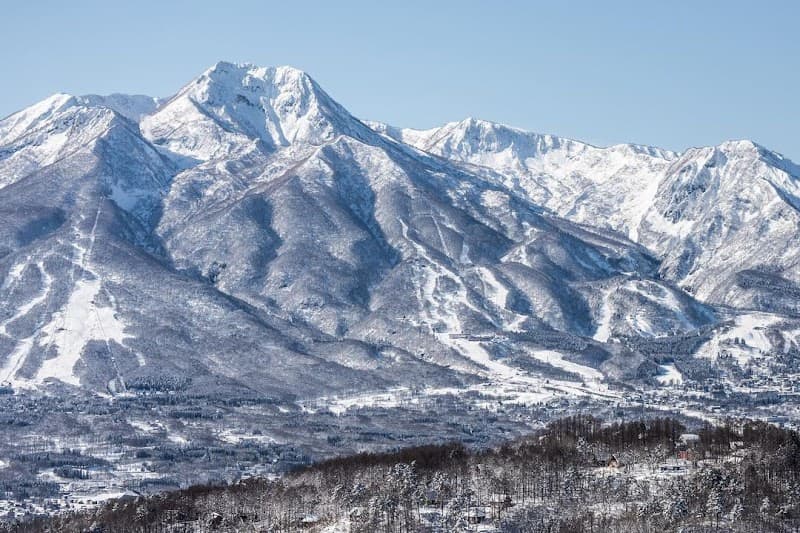
Myoko sits on the Sea of Japan snowbelt, cold Siberian air crosses open water, picks up moisture, and drops it on Niigata's mountains. The result is frequent, deep, light powder that cushions falls for beginners and keeps experienced skiers coming back year after year.
The Myoko area is actually a cluster of interconnected resorts, and which one you base at matters for families. Akakura Onsen is the most accessible, with gentle lower slopes and a village atmosphere that feels manageable with young children.
Akakura Kanko connects via a shared lift and adds steeper terrain for parents who want to push themselves during ski school hours. Suginohara has the longest single run in the area at 8.5km, a sustained cruiser that intermediate kids will want to lap until their legs give out.
Ikenotaira Onsen is the quietest option and arguably the best for true beginners, with wide, uncrowded runs and none of the weekend bottlenecks you'll hit elsewhere.
- Peak window (late January to February): The most reliable powder period. Niigata stations in this snowbelt consistently record among the heaviest snowfall in the world, comparable locations report 10-14 metres seasonally. February half-term weeks deliver the best combination of depth and daylight hours.
- Christmas/New Year: Season typically opens mid-December. Base coverage is usually solid by Christmas week, but depth builds substantially through January.
- March: Skiing continues into late March. Warmer temperatures produce heavier snow but also longer sunshine hours, appealing for families with young children who fade in deep cold.
- Easter: Season usually closes late March. Easter skiing depends entirely on calendar timing, do not book an April trip here.
- Weekday advantage: Slopes are notably quiet Monday through Friday. Weekend crowds from domestic day-trippers can make narrower trails less comfortable for young children. If you can structure your trip to ski weekdays and rest on weekends, the experience improves dramatically.
📊The Numbers
| Metric | Value |
|---|---|
Family Score | 6.3Average |
Best Age Range | 5–14 |
Kid-Friendly Terrain | 35%Above average |
Childcare Available | Yes † |
Ski School Min Age | 4 years † |
Kids Ski Free | Under 5 † |
Score Breakdown
Value for Money
Convenience
Things to Do
Parent Experience
Childcare & Learning
Planning Your Trip
🏠Where Should Your Family Stay?
Stay in Akakura Onsen village, it has the widest accommodation choice, the easiest shuttle access to all four resorts, and the best beginner terrain at your doorstep.
- Best convenience, Myoko Forest Lodge (Akakura Onsen): Family-oriented lodge with gear hire and ski school referrals on-site. Rates from approximately ¥18,000/night. The tradeoff: fills early in peak weeks, and confirmed ski-in/out access is unclear, expect a short walk or shuttle to lifts.
- Best resort-style, Prince Hotel Myoko Suginohara: Operated by Seibu Prince Hotels at the base of Suginohara resort. More conventional hotel setup with English-speaking front desk. Higher price bracket (¥22,000+/night), but Ikon Pass holders save on lift tickets here, which offsets the premium.
- Best for mixed-ability groups, 8 Peaks Resort (Ikenotaira): Multiple hotel options at Ikenotaira's base with Pep's Bar for slope-side après. Gentler terrain suits beginners while stronger skiers shuttle to Suginohara's longer runs.
Onsen baths are standard in most Myoko accommodation, not an upgrade, just how evenings work here. Brief your family on communal bathing norms before arrival: no swimsuits, small towel only, wash thoroughly before entering the bath.
One booking note: most Myoko accommodation includes half-board (dinner and breakfast), and the multi-course Japanese dinners alone justify the stay. Families with picky eaters should confirm Western meal options when booking, as smaller ryokan-style lodges may serve only traditional kaiseki. The Lawson convenience store in Akakura handles emergency snack runs and has an ATM that accepts international cards.
💬What Do Other Parents Think?
What Parents Love
- Onsen becomes the highlight: Parents note how evening hot spring soaks turned into family bonding time, with kids who normally rush through baths lingering in the mineral-rich water
- Manageable village scale: Several families mention how Akakura Onsen's compact size let their tweens walk to convenience stores independently while parents could still see them from ryokan windows
What Parents Flag
- Limited English signage: Navigation requires more patience than Niseko, though parents say the language barrier became part of the adventure
- Onsen etiquette learning curve: The first public bath visit needs preparation, especially explaining gender separation and washing procedures to children
- Fewer Western food options: Picky eaters may struggle, though many parents report their kids trying new foods they'd refuse at home
The moment families remember most is stepping outside their ryokan on the first morning to see steam rising from every building in the village while fresh powder falls silently around them.
Families on the Slopes
(12 photos)Photos from Google Places. Posted by visitors.
✈️How Do You Get to Myoko Kogen?
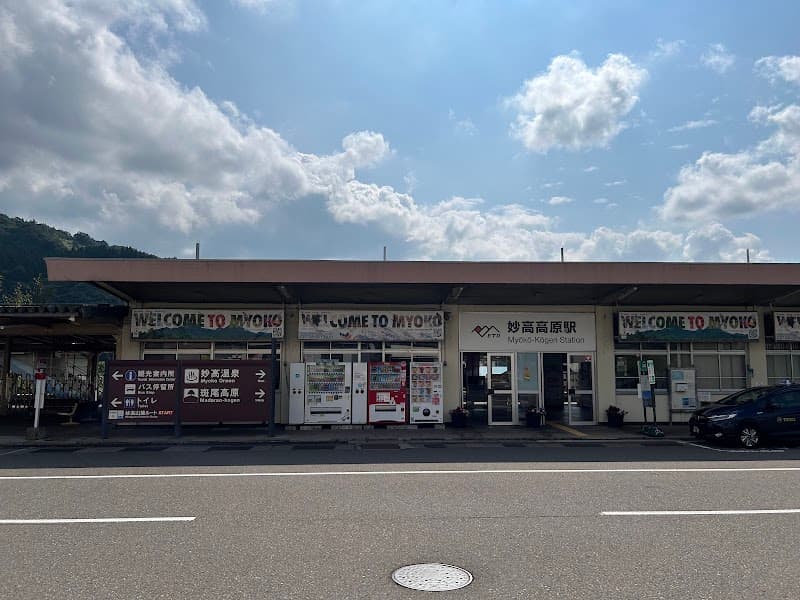
The simplest arrival for families: fly into Tokyo Narita, catch a direct highway bus to Myoko Kogen village, roughly three hours, ski gear loaded in the luggage hold.
- Best airport: Tokyo Narita handles most international flights and has direct bus services to Myoko. Haneda works but offers fewer direct bus options to the area.
- Direct bus: Highway buses run from Narita and Shinjuku to Myoko Kogen village. Multiple family reviewers confirm ski bags fit in the hold. Budget approximately ¥4,000-6,000 per adult one way.
- Shinkansen alternative: Bullet train from Tokyo to Nagano (80 minutes), then local train or bus to Myoko-Kogen Nojiriko station plus a short taxi. Faster but involves more transfers with children and gear, the bus is easier.
- Language reality: Bus drivers typically speak limited English. Motorway service area food stops use Japanese-only vending machine ordering systems. Download Google Translate with the Japanese offline pack before leaving home.
- Smartest family move: Arrive at Narita in the morning, take the midday bus, and reach your accommodation by dinner. That first evening onsen soak resets jet-lagged children faster than any early night will.
- Luggage forwarding: Yamato Transport's takkyubin service ships bags from the airport to your hotel for around ¥2,000-3,000 per bag, next-day delivery. Travel light on the bus while your ski gear arrives separately.
How Much Are Lift Tickets?
Myoko's lift costs run 40-60% below comparable European or Canadian resorts, the gap is wide enough to fund extra ski days or lessons from the savings alone.
- Day ticket prices (Akakura Onsen): Adult ¥7,000 (~€43), elementary-age child ¥2,500 (~€15), preschoolers free — and on the third Sunday of every month, elementary kids ride free too. A family of two adults and two children pays approximately ¥19,000/day for lift access, less than a single adult day pass at many Alpine resorts.
- Mt. Myoko+ IC card pass: Covers all four resorts on one rechargeable card. Buy it at one of five specific counters: Myoko Kogen Tourist Information Centre Akakura Onsen, Akakura Kanko Ikenotaira (counter only), or Myoko Suginohara. Not every ticket window can issue one, plan your first morning accordingly.
- Ikon Pass play: Myoko Suginohara accepts Ikon Passes, no reservation required, just present your pass and photo ID at the Suginohara counter. If your family already holds Ikon from North American trips, Suginohara days cost nothing extra.
- Lesson costs (Champion Ski School): Morning session ¥9,000, afternoon ¥7,000, full day ¥15,000. Afternoon-only sessions are the budget play, shorter but ¥8,000 cheaper than a full day per child.
- Child rental gear: Approximately ¥3,500/day for boots, skis, and poles. Rent at your lodge (e.g., Myoko Forest Lodge) to avoid a separate gear-carrying trip.
- Buying individual resort day passes when visiting multiple areas. The Mt. Myoko+ card pays for itself by day two if you move between resorts.
Planning Your Trip
☕What's There to Do Off the Slopes?
Onsen bathing is the evening here, not an optional add-on but the thing your family will remember most vividly alongside the skiing itself.
- Best wind-down: Your ryokan or hotel's in-house onsen. Most Akakura Onsen accommodation includes communal or private baths fed by natural hot springs. After a full ski day, children sink into the water and the day's complaints evaporate.
- Public baths: Akakura Onsen village has separate public onsen for families wanting variety. Expect ¥500-800 per person. Baths are clothing-optional and gender-separated, brief teenagers before the first visit.
- Village walking: Akakura Onsen is compact and walkable in snow boots. Evening strolls past steaming vents, lit-up ryokans, and small shops feel distinctly Japanese, young children find the atmosphere captivating without needing a structured activity.
- Non-ski snow activities: Snowshoeing tours operate through local providers, though availability varies seasonally. There is no waterpark, tubing hill, or dedicated children's entertainment centre, Myoko does not try to be that kind of resort.
On-mountain cafeterias serve ramen, udon, curry rice, and gyoza at prices that would make Alpine resort operators blush. A full hot lunch for a family of four typically comes in under ¥4,000 (~€25).
- The shokuken ritual: Find the ticket vending machine at the cafeteria entrance. Study the picture menu, feed in coins or notes, press your selection, hand the printed ticket to the counter. Children who master this system on day one walk around like locals by day three.
- Ramen: The baseline Myoko meal. Rich, pork-based broth with regional Niigata variations. A bowl costs ¥800-1,200. It is the single best-value hot meal your family will eat on any ski trip, anywhere.
- Curry rice (kare raisu): The failsafe for cautious young eaters, mild, sweet Japanese curry over rice. Available at virtually every on-mountain and village restaurant. Order it without hesitation on day one while braver choices develop over the week.
- Evening eating in Akakura Onsen village: Walk the main street and choose from small izakayas and noodle shops. Portions are generous. Expect ¥1,500-2,500 per person for a full dinner. Some spots are walk-in only; for others, ask your hotel to call ahead.
When to Go
Season at a glance — color-coded by family score
Common Questions
Everything families ask about this resort
Have a question we didn't cover? We'd love to add it to our guide.
The Bottom Line
Would we recommend Myoko Kogen?
What It Actually Costs
Day passes at Akakura Onsen, the main family base, run ¥7,000/adult and ¥2,500 for elementary-age kids (preschoolers ride free). Equipment rental from local shops runs ¥4,000-5,500/day for adults. Ryokan stays with full board (multi-course dinner, breakfast, and onsen access) run ¥10,000-18,000/person/night. The sake is locally brewed in Niigata. Japan's best sake prefecture, and costs a fraction of Tokyo prices.
A budget family of four skiing five days in a ryokan with full board: plan ¥280,000-380,000 (~$1,850-2,500 USD). The full-board model eliminates restaurant costs entirely, and the meals are a cultural experience, not just fuel.
A comfortable family at a higher-end ryokan with private onsen and premium dining: ¥400,000-550,000 (~$2,650-3,650 USD). The evening multi-course kaiseki dinner is worth the upgrade alone.
Compare to Niseko (¥600,000+/week, international infrastructure, 2x the price), Nozawa Onsen (¥250,000-400,000/week, similar cultural depth, slightly smaller terrain), or Madarao (¥250,000-350,000/week, cheaper, better tree skiing, less town character). Myoko's combination of deep powder, ryokan culture, and local sake makes it the most authentically Japanese ski experience you can buy.
Your smartest money move: Book a ryokan with full board. The multi-course dinner and breakfast are experiences in themselves, and the all-in cost is lower than eating out at a resort. Add the local Niigata sake, outstanding quality at local prices.
The Honest Tradeoffs
If you are comfortable with some Japanese-language navigation and want authenticity, Myoko rewards the effort more than any other Japanese ski area.
The resort town shuts down early, with most restaurants closing by 8pm. Equipment rental shops stock limited sizes for very young children.
The 2.5-hour transfer from Tokyo via Shinkansen to Joetsu-Myoko is convenient, but the local bus connection to individual ski areas runs infrequently.
Not feeling it? A better fit might be Madarao for a more compact resort that is easier to navigate with small children.
Would we recommend Myoko Kogen?
Book a ryokan or pension in Akakura or Suginosawa for the best onsen access. If Myoko is too complex to navigate, Nozawa Onsen is a single village with similar charm. For maximum powder, Hokkaido's Niseko Furano or Kiroro are the standard. Madarao is nearby with excellent tree skiing.
Book at a ryokan or pension in Akakura Onsen for the best combination of slopes and hot springs. Buy a multi-day pass for the Myoko Kogen area. The Shinkansen to Joetsu-Myoko takes 2 hours from Tokyo. Peak powder runs late January through mid-February. The Akakura Kanko Hotel is the most family-friendly option with on-site onsen.
Similar Resorts
Families who loved Myoko Kogen also enjoyed these
Ryuoo
Grandeco
Joetsu Kokusai
Rusutsu
Tomamu
Shiga Kogen
Transparency note: This content was created with AI assistance and reviewed by Tom Meredith, our editor. Prices, dates, and availability may change. We recommend confirming details directly with the resort before booking.