Nagano Prefecture, Japan

Nozawa Onsen, Japan: Family Ski Guide

13 free hot springs, English ski school, $320 daily family cost.

Family Score: 7.4/10
Ages 3-12
Nozawa Onsen - official image
7.4/10 Family Score
🎯

Is Nozawa Onsen Good for Families?

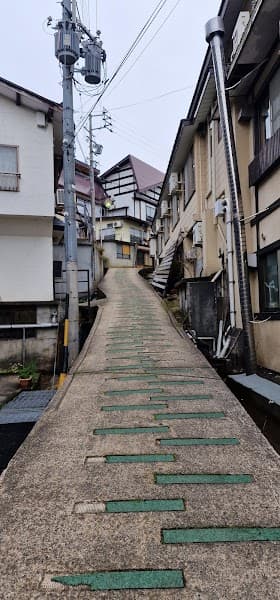
Nozawa Onsen delivers something no Western resort can: après-ski soaking in one of 13 free outdoor hot spring baths scattered through a car-free village where locals have been warming up for 700 years. Best for ages 5 to 12 (kids under 5 ski free, lessons start at age 3). Expect to pay around $60 for lift tickets and $239 for lodging, roughly half of European pricing. The catch? There's no ski-in/ski-out option. You're hauling gear uphill for 10 to 15 minutes daily, and tired toddler legs make that feel longer.

7.4
/10

Is Nozawa Onsen Good for Families?

The Quick Take

Nozawa Onsen delivers something no Western resort can: après-ski soaking in one of 13 free outdoor hot spring baths scattered through a car-free village where locals have been warming up for 700 years. Best for ages 5 to 12 (kids under 5 ski free, lessons start at age 3). Expect to pay around $60 for lift tickets and $239 for lodging, roughly half of European pricing. The catch? There's no ski-in/ski-out option. You're hauling gear uphill for 10 to 15 minutes daily, and tired toddler legs make that feel longer.

¥1,920¥2,560

/week for family of 4

You have beginners who need extensive English instruction and long, wide green runs

Biggest tradeoff

Moderate confidence

40 data pts

Perfect if...

  • Your kids are old enough (6+) to safely explore cobblestone streets while you soak in an onsen
  • You want genuine cultural immersion, not just a ski trip with Japanese food
  • Your family enjoys walking villages and doesn't mind schlepping gear uphill
  • You're looking for European-quality skiing at roughly half the price

Maybe skip if...

  • You have beginners who need extensive English instruction and long, wide green runs
  • The idea of navigating narrow streets with toddlers and ski equipment sounds exhausting, not charming
  • Ski-in/ski-out convenience is non-negotiable for your family's sanity

The Numbers

What families need to know

MetricValue
Family Score
7.4
Best Age Range
3–12 years
Kid-Friendly Terrain
Childcare Available
YesFrom 12 months
Ski School Min Age
3 years
Kids Ski Free
Under 5
Magic Carpet
Yes

✈️How Do You Get to Nozawa Onsen?

You'll fly into Tokyo, then trade planes for one of the world's best train systems. Tokyo Narita Airport (NRT) and Tokyo Haneda Airport (HND) both work as entry points, with Haneda sitting closer to central Tokyo and often offering smoother connections for families with young kids. From either airport, you're looking at roughly 4 hours total to reach the village, but here's the thing: the journey itself becomes part of the adventure.

The Route That Works

The Hokuriku Shinkansen (bullet train) from Tokyo Station to Iiyama Station takes about 2 hours and covers 200km of Japanese countryside at speeds that will have your kids' faces pressed to the window. From Iiyama, the Nozawa Onsen Liner bus runs direct to the village in 25 minutes, with departures timed to meet major train arrivals during ski season. Expect to pay around ¥8,500 per adult for the Shinkansen leg (roughly $55 USD), with children aged 6 to 11 traveling at half price and under-6s free on your lap.

The connection at Iiyama Station is genuinely easy, even with jet lag and small humans in tow. The bus stop is clearly marked, luggage goes underneath, and drivers are accustomed to families with ski gear. Total travel time from central Tokyo: 3 hours. From Narita, add another 60 to 90 minutes for the airport transfer into the city.

Skip the Rental Car

Seriously, don't do it. Japanese mountain roads in winter require snow tires or chains, signage defaults to Japanese characters, and Nozawa's village streets are narrow, steep, and slick with ice. The train-and-bus combination is faster, infinitely less stressful, and deposits you right in the heart of the village. Once you're there, everything operates on foot or via free shuttle. Parking exists but costs extra and defeats the purpose of staying in a walkable onsen town.

If you're combining Nozawa Onsen with other Japan destinations, run the numbers on a JR Pass before purchasing. Recent price increases mean it only makes sense if you're doing significant additional rail travel, not just the Tokyo roundtrip.

The Game-Changer for Families

Yamato Transport offers luggage forwarding from airports and hotels throughout Japan, and this service transforms family travel here. Ship your ski gear and heavy bags from Narita or your Tokyo hotel in the morning, explore the city unburdened, then catch an afternoon train. Your luggage arrives at your ryokan before you do, sometimes the same day, certainly by the next morning. Expect to pay around ¥2,000 to ¥3,000 per bag (roughly $15 to $20 USD), which is worth every yen when you're navigating train platforms with a stroller and a tired four-year-old.

Timing Your Arrival

The afternoon train strategy works brilliantly for families. Arrive in Tokyo, clear customs, forward your bags, grab lunch, then catch a 2pm or 3pm Shinkansen. You'll reach Nozawa Onsen by early evening, in time to check in, walk the steaming streets, and soak in your first onsen before dinner. Arriving after dark isn't ideal for navigation, but the village is small and your accommodation will have directions ready.

💡
PRO TIP
Book the Shinkansen's Green Car (first class) for the outbound journey. The extra legroom, quieter carriage, and guaranteed seats together make the premium worthwhile after a long international flight. You can book online through JR East or at the station, but reserved seats during peak season fill up, so don't leave it to chance.

Download offline maps of Iiyama Station before you leave home. The transfer is simple, but having a visual reference helps when you're operating on three hours of sleep with children asking why the toilets sing.

User photo of Nozawa Onsen - unknown

🏠Where Should Your Family Stay?

Nozawa Onsen's lodging situation is unlike anything in the Alps or Rockies: you're choosing between traditional Japanese inns, Western-style pensions, and self-contained apartments scattered across a steep village hillside. There's no ski-in/ski-out here in the conventional sense, but where you stay determines whether your mornings involve a 3-minute walk to the gondola or a 15-minute uphill trek through steaming streets.

Near the Slopes

The Nagasaka area puts you closest to the main gondola and lifts, which matters enormously when you're wrangling kids in ski boots. Nozawa Grand Hotel sits right at the base, so you'll be clicking into bindings while families staying in the lower village are still trudging uphill. Your kids will appreciate not having to carry gear through icy cobblestone streets. The trade-off? You're a 10 to 15 minute walk downhill from the village's best restaurants and the famous free onsen. For families with children under 6 who tire easily, this proximity to slopes usually wins out over village atmosphere.

Nozawa Onsen Utopia offers a similar setup in the upper zone, with straightforward Western-style rooms that feel more familiar than traditional Japanese inns. Fujiyoshi rounds out the Nagasaka options, popular with families who want easy lift access without sacrificing too much village convenience. Expect to pay around ¥15,000 to ¥25,000 per person per night at these properties, typically with breakfast included.

Budget-Friendly Picks

Traditional minshuku (family-run guesthouses) offer the best value in Nozawa, typically running ¥4,500 to ¥6,000 per person per night. That's roughly a third of what you'd pay for comparable proximity to lifts at a North American resort. Wafu Pension Miyazawa is a solid choice with a guest kitchen, which means you can avoid restaurant costs for breakfasts and the occasional dinner when everyone's too tired to venture out. Lodge Matsuya gets consistent family recommendations for its welcoming owners and hearty included breakfasts.

The move for budget families: book a minshuku with breakfast included (standard practice in Japan), pack snacks for the mountain, and do one memorable dinner out rather than three mediocre ones. Your kids won't remember the fourth bowl of udon, but they'll remember the ryokan feast.

Mid-Range Family Favorites

Ryokan Sakaya is the standout here, and honestly, staying in a proper ryokan is half the reason to bring kids to Nozawa in the first place. This traditional Japanese inn has its own private onsen, exceptional multi-course dinners served in your room, and the kind of authentic experience children remember into adulthood. Expect to pay around ¥20,000 to ¥30,000 per person with both breakfast and dinner included, which reframes the cost considerably. The location in central village means you'll need to walk or shuttle to lifts, but you're steps from the free public baths.

Nozawa Central Apartments and Nozawa Gondola Apartments work well for families wanting self-contained space without the formality of ryokan life. Having a kitchen saves money and sanity when traveling with picky eaters or early risers who want cereal before the mountain opens. These run around ¥35,000 to ¥50,000 per night for units sleeping four to six, which makes them surprisingly economical when you split the cost.

Best Setup for Young Kids

If you're using the Yumin Day Care Centre at Hikage Bowl (ages 1 to 6), staying in the Nagasaka area makes drop-off and pickup dramatically easier. You'll be a short walk from the childcare entrance rather than navigating the village with a toddler in tow. The Ridge Apartments and Alpine Villa Nozawa both position you well for this routine.

For full cultural immersion with slightly older kids (say, 5 and up who can handle the walking), stay in the central village near Oyu, the main public bath. Your kids will love the evening ritual of walking to different onsen, wooden sandals clacking on the streets, steam rising from drains. Sumiyoshiya Ryokan puts you right in this atmospheric zone.

Practical Notes

  • Most accommodations sit 5 to 15 minutes on foot from the lifts. Free shuttle buses run regular loops during peak season
  • Ryokan rates typically include both breakfast and dinner, which changes the value equation significantly. A ¥25,000 per person rate that includes two meals isn't actually more expensive than a ¥12,000 room plus restaurant dinners
  • Book early for peak season (late December through February). Really early. Properties fill months ahead, and the good family-friendly spots go first
  • Self-contained houses sleeping 6 to 8 people run around ¥50,000 to ¥70,000 per night total, making them surprisingly economical for larger families or multi-family trips
  • The IC card deposit at check-in (¥500) is refundable when you return the card, so don't lose it in the chaos of departure morning

🎟️How Much Do Lift Tickets Cost at Nozawa Onsen?

Lift tickets at Nozawa Onsen run roughly half what you'd pay at major North American resorts, making Japan's famous powder surprisingly accessible for families. Expect to pay around ¥7,500 (about $50 USD) for an adult day pass and ¥4,500 for children ages 6 to 15. That's comparable to mid-tier European pricing but with snow quality that rivals the best in the world.

The IC Card System

Nozawa uses a rechargeable IC card (¥500 deposit, refundable) that lets you tap through lift gates without fumbling for paper tickets in mittens. You can load credits via QR code with a credit card, which means no more ticket window lines after day one. The system genuinely makes life easier with kids, especially when everyone's ready to go and you're not hunting for lift passes in jacket pockets.

Daily Rates (2024/25 Season)

  • Adult full day: Expect to pay ¥7,500 (roughly $50 USD)
  • Child full day (ages 6 to 15): Expect to pay ¥4,500
  • Senior full day (60+): Expect to pay ¥6,000
  • 4-hour ticket: Expect to pay ¥6,400 adult, ¥3,800 child
  • Night skiing: Expect to pay ¥2,700 adult, ¥1,600 child

Multi-Day Savings

The discounts are modest but real. A 2-day pass runs ¥13,900 adult and ¥8,300 child, saving about 7% over daily rates. Stretch to 3 days and you're looking at ¥20,300 adult and ¥12,100 child, which gets you to 10% savings. For a typical week-long trip, buying day tickets or stacking multi-day passes works out better than a season pass unless you're returning multiple times in the same winter.

Kids Ski Free

Children 5 and under ski free when accompanied by a paying adult. Just request a free child ticket at the lift counter rather than assuming you can roll through the gates. No advance registration needed, no hoops to jump through. For a family with two young kids, this takes a meaningful bite out of daily costs.

Season Pass Options

If you're making Nozawa a regular destination, the full season pass costs ¥98,000 for adults, ¥59,000 for children, and ¥79,000 for seniors. Perks include free P1 parking, night skiing access, and discounts at partner businesses around the village. The Spring Pass (¥53,500 adult, ¥32,500 child) kicks in March 1 and makes sense for late-season visitors planning extended stays.

For regional explorers, the Nagano Powder Dream Pass covers six Nagano resorts including Shiga Kogen and Madarao for ¥135,000. Worth considering if you're doing a multi-resort Japan trip, though the logistics of moving between resorts with kids may dampen the appeal.

No Major Pass Affiliations

Nozawa isn't on Epic, Ikon, or any international multi-resort pass. You're buying direct from the resort, which keeps things straightforward but means no pass-stacking benefits if you're already invested in those ecosystems.

Best Value Tips

Before buying at the main ticket window, ask your accommodation about lodger rates. Many ryokan and pensions offer discounted rechargeable tickets that save ¥100 to ¥500 per day. It's not life-changing money, but over a week with multiple family members, it adds up. The 4-hour ticket works well for families with young kids who realistically won't last a full day, especially when paired with the free gondola ride down when legs give out.


⛷️What’s the Skiing Like for Families?

Skiing Nozawa Onsen with kids feels like stepping into a snow globe where the mountain and village are inseparable. You'll spend your mornings riding a gondola from a centuries-old hot spring town up into reliably deep Japanese powder, your afternoons watching your children gain confidence on gentle, uncrowded slopes, and your evenings soaking tired muscles in steaming public baths while snow falls outside. The terrain sprawls across 84 runs, and nearly 40% are rated easy, which means your family can actually progress through the week rather than circling the same bunny slope until everyone's bored.

Where Your Family Will Actually Ski

You'll find the terrain naturally separates into distinct zones that make family logistics surprisingly manageable. The Hikage (日影, meaning "shade") area at the base is family command central, with wide, forgiving slopes, magic carpets, and beginner lifts that keep little ones contained rather than accidentally funneling them into terrain over their heads. Your kids will spend their first days here, building confidence on runs that flatten out gently at the bottom instead of pitching into steep faces.

As skills develop, the Uenotaira (上ノ平) plateau opens up with mellow cruisers and spectacular views across the Japanese Alps. This is where your confident six-year-old will feel like a real skier, carving wide turns while you snap photos of snow-draped peaks in every direction. The Paradise Slope nearby lives up to its name for nervous first-timers who need reassurance that skiing can actually be fun.

For parents craving a challenge while kids are in lessons, 27 advanced runs wait up top, including genuinely steep terrain and famous tree skiing through birch groves loaded with light, dry powder. You can sneak away for a few laps and be back at Hikage before pickup.

Ski School Options

There's Nozawa Ski School run through Canyons that employs international instructors who genuinely understand how to work with Western kids. This isn't just translation, it's cultural fluency in teaching styles. Private lessons run from ¥33,000 for 2 hours, which isn't cheap, but the one-on-one attention works wonders for ages 3 to 5 who need constant supervision and encouragement rather than group instruction.

Nozawa Holidays and Winterland Lodge also offer English-speaking instruction with solid reputations among traveling families. Group lessons for kids 7 and up cost around ¥15,000 for a full day, including lunch supervision, which actually makes it reasonable value when you factor in the childcare element. Your kids will come back chattering about their sensei (teacher) and the new friends they made from Australia or Singapore.

The catch? Book lessons well in advance, especially during peak weeks from late December through February. English-speaking instructors are in high demand and classes fill up weeks ahead.

The Yumin Day Care Centre at Hikage takes children ages 1 to 6 from 9am to 4pm for ¥4,000 full day. One honest limitation: you'll need to collect them for the noon to 1pm lunch break yourself, which interrupts your ski day but keeps costs down compared to all-inclusive options.

Gear Rental

Compass House near the Nagasaka gondola base handles most family rental needs with English-speaking staff and equipment sized for kids. Right Stuff in the village center offers solid mid-range gear, while Nozawa Onsen Sports stocks newer equipment at slightly higher prices. Expect to pay around ¥4,000 to ¥6,000 per day for a child's ski package. Pro tip: book online a few days ahead during peak season, as shops run low on smaller sizes.

Lunch on the Mountain

Yamabiko Restaurant at the top of the Nagasaka Gondola serves warming Japanese comfort food, think steaming bowls of udon, golden katsu curry, and rice dishes that kids reliably eat without complaint. The views across snow-covered peaks make up for cafeteria-style seating.

Hikage Cafeteria keeps you near the learning area with simple noodles and rice dishes, which matters when you've got a 4-year-old who refuses to ski another meter before lunch. Buna at mid-mountain offers better-quality Japanese food if you want something beyond basics, with handmade soba and local specialties.

The move: Head back to the village for lunch if timing allows. You're only a gondola ride away, and the quality of village restaurants, from handmade soba at Nozawa-ya to stuffed dumplings at Hana-cha, beats on-mountain options significantly. The gondola ride down is free, so nobody has to ski tired legs to get there.

Must-Know Mountain Tips

Children 5 and under ski free with a paying adult. Grab the free ticket at the lift office rather than just rolling through gates, as the system needs it registered. The IC lift card requires a ¥500 deposit but makes gate access genuinely easier, especially with glove-wearing kids who'd otherwise fumble paper tickets into the snow.

Locals know: The terrain is deceptively large. Agree on a specific meeting point and time rather than assuming you'll "find each other" on a mountain with 84 runs. The Hikage base lodge works well as family rendezvous central.

Late afternoon light fades fast on north-facing slopes. Plan your route back to the village accordingly, and remember the gondola offers a free ride down when legs give out before enthusiasm does. That option alone makes Nozawa more forgiving than resorts where exhausted kids have to ski out at day's end.

User photo of Nozawa Onsen - unknown

Trail Map

Full Coverage
84
Marked Runs
31
Lifts
33
Beginner Runs
39%
Family Terrain

Terrain by Difficulty

🔵Easy: 33
🔴Intermediate: 23
Advanced: 27
unknown: 1

© OpenStreetMap contributors, ODbL

Family Tip: Nozawa Onsen has plenty of beginner-friendly terrain with 33 green and blue runs. Great for families with young or beginner skiers!

What Can You Do Off the Slopes?

Nozawa Onsen is a 1,000-year-old hot spring village that happens to have world-class skiing above it, and that distinction shapes everything about your evenings here. This isn't a purpose-built resort with manufactured après-ski. It's a working Japanese community where locals still cook vegetables in volcanic spring water and the nighttime ritual involves wandering narrow, steaming streets in wooden sandals.

The Onsen Circuit

Thirteen free public bathhouses, called sotoyu, are scattered throughout the village, each fed by natural hot springs with its own temperature and character. Your kids will remember this long after they've forgotten which runs they skied. O-yu, the grandest and most photogenic bathhouse, runs scalding hot and can overwhelm younger children. Better family bets: Shin-yu and Kumanote-sha offer more manageable temperatures that won't send little ones scrambling for the exit. The ritual requires some navigation (separate entrances for men and women, nude bathing is standard, bring your own small towel), but watching your kids experience this is genuinely unforgettable. Most ryokan have private onsen if you want to ease into the experience as a family first.

Village Exploration

There's a cooking area near O-yu where locals boil eggs and vegetables in the volcanic spring water, and your kids will find this endlessly fascinating. You'll stand around steaming communal pots while someone explains that yes, people really have cooked dinner this way for centuries. The narrow streets wind past wooden buildings and steaming drains, lit softly at night, creating the kind of atmosphere that makes adults feel transported and kids feel like they've wandered into a Miyazaki film.

You'll find the Japan Ski Museum covering the sport's surprisingly deep Japanese roots (skiing arrived here in 1912), while the smaller Nozawa Onsen Ski Museum offers a quicker look at local history. Neither will occupy more than 30 minutes, but they're solid rainy-day backup. For families wanting off-snow activities, snowshoeing tours run through the forests above the village with family-friendly routes available. The SPArena has an indoor pool and spa facilities with kid-friendly areas when someone needs a break from bathing culture.

Eating with Kids

The village has around 50 restaurants, and most are genuinely welcoming to families. Hana-cha serves approachable Japanese dishes, think oyaki (stuffed dumplings), tempura, and warming noodle soups that kids reliably eat. Nozawa-ya is the spot for soba noodles, handmade on-site daily, while Restaurant Haus St. Anton offers Western comfort food when someone desperately needs pasta. For casual yakitori and izakaya fare, Tsukimi-ya works well for families, especially if your kids are adventurous eaters willing to try grilled chicken skewers.

The move: show up at 6pm sharp rather than the 7:30pm crush. Most restaurants are small, and waiting in the cold with hungry children tests everyone's patience. Portions run toward Japanese sizing (smaller than Western expectations), which actually works well for kids. Expect to pay ¥3,000 to ¥5,000 per adult for a filling dinner with a drink.

Groceries and Self-Catering

The village has a few small grocery shops, but stock is limited and prices reflect the mountain markup. A-Coop Nozawa near the village center handles basics, snacks, and breakfast supplies. Lawson convenience store covers late-night essentials and surprisingly decent prepared foods. Families in self-contained apartments should consider stocking up in Iiyama before arriving, though eating out is so integral to the Nozawa experience that full self-catering feels like missing half the point.

Evening Entertainment

Nozawa's nightlife is low-key and village-appropriate. Stay Bar works for families in early evening, transitioning to more of a bar scene later, while a handful of other spots stay lively for parents seeking après drinks after bedtime. But honestly, family evenings here follow a different rhythm: onsen soak, dinner wandering between steaming streets, maybe a nighttime stroll through the softly lit village, then early to bed. Night skiing runs until 8:30pm on the Nagasaka slope if your kids have energy to burn, and the novelty of skiing under lights often appeals to children who've spent the day in lessons.

Getting Around

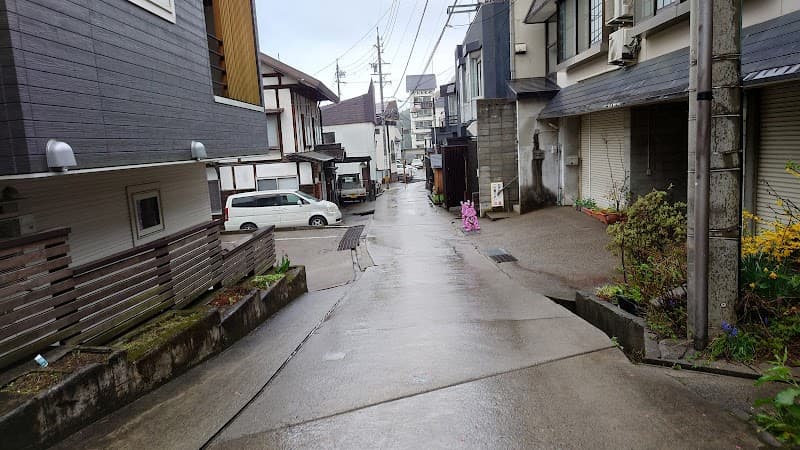
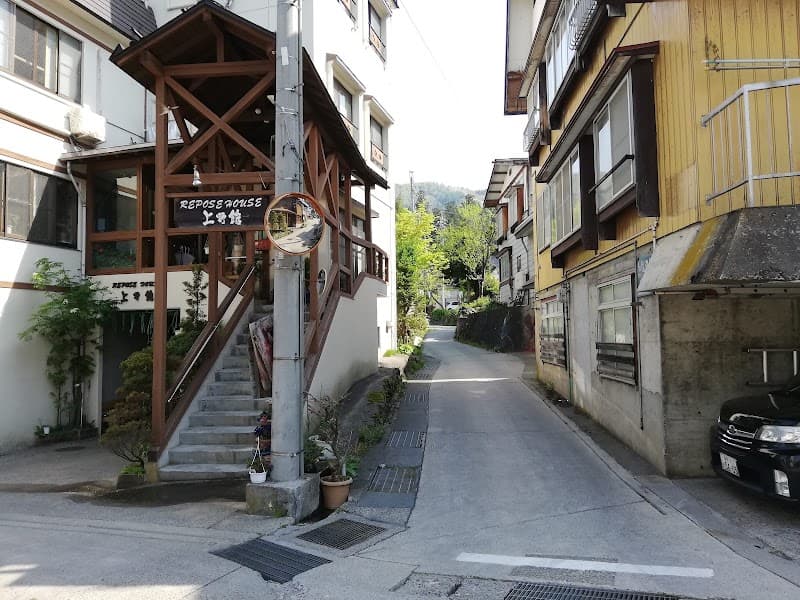
Nozawa Onsen is entirely walkable, about 800 meters from end to end. Streets are narrow and mostly car-free in the center, which makes the evening wander safe and pleasant. The catch? Everything is on a slope, and icy cobblestones require proper footwear. You'll want boots with real grip, not fashion après-ski shoes. The walk from lower village lodging to the Nagasaka lift base takes 10 to 15 minutes uphill, longer with small children. Some accommodations run shuttles, and the resort operates a free village loop during peak times.

Strollers are essentially useless here. Carriers work better for little ones, and most families with toddlers end up pulling them through the streets on sleds, which kids tend to love anyway. The walk home after skiing (downhill, tired kids, gear in tow) is considerably easier than the morning trek up, so plan your energy accordingly.

User photo of Nozawa Onsen - unknown

When to Go

Snow conditions, crowd levels, and family scores by month

Best for families: JanuaryPost-holiday crowds ease; consistent snowfall builds excellent base depth.
Monthly ski conditions, crowd levels, and family scores
Month
Snow
Crowds
Family Score
Notes
Dec
GoodBusy5Holiday crowds peak; early season snow thin, snowmaking essential.
JanBest
GreatModerate8Post-holiday crowds ease; consistent snowfall builds excellent base depth.
Feb
AmazingBusy7Peak snow and European school holidays create packed slopes despite powder.
Mar
GreatQuiet8Spring snow quality remains strong; crowds drop significantly after Easter.
Apr
OkayQuiet4Season end; thawing snow and limited terrain as base deteriorates rapidly.

Family score considers snow quality, crowd levels, pricing, and school holidays.


💬What Do Other Parents Think?

Parents who bring their kids to Nozawa Onsen tend to fall into two camps: those who came for the cultural immersion and found the skiing a bonus, and those who came for the snow and discovered the village stole the show. You'll hear consistent praise for the "real Japan" experience that's increasingly rare at purpose-built resorts, with families describing evening onsen rituals as the unexpected highlight of their trip.

The English-speaking ski schools get strong marks, particularly Canyons and Nozawa Holidays, whose international instructors know how to connect with Western kids who don't speak Japanese. Parents report that private lessons, while expensive at around ¥33,000 for two hours, deliver results with younger children who need constant encouragement. Group lessons for older kids (7 and up) earn praise for the full-day format that includes lunch supervision, giving parents guilt-free mountain time.

The honest friction points come up repeatedly. The walk from village accommodation to the lifts tests patience with tired children, especially in icy conditions. "Charming the first day, exhausting by day three" is a sentiment you'll encounter. Parents also flag the midday pickup requirement at Yumin Day Care Centre (noon to 1pm lunch break) as a logistical headache that fragments ski time. The language barrier outside ski school contexts requires flexibility, though most families describe this as part of the adventure rather than a dealbreaker.

The catch? Nozawa demands a different mindset than a slick Colorado or Austrian resort. Families who thrive here embrace the improvisation: navigating menus with pointing and smiles, figuring out onsen etiquette with their kids, accepting that the village wasn't designed for maximum convenience. Those expecting streamlined family infrastructure may find the learning curve steeper than expected. But parents who lean into the experience consistently describe it as formative for their children, the kind of trip kids reference years later.