Pila, Italy: Family Ski Guide
Train station gondola, Roman ruins below, €15 kids' lift tickets.
Last updated: August 2026
Italy
Pila
Book in Aosta city and take the gondola up daily. If Pila is too small, Cervinia is an hour's drive with bigger terrain. Courmayeur is 45 minutes for expert skiing and a charming town. La Thuile is the quieter Aosta Valley alternative. If you want to stay at the ski area, there are a few slope-side options, but Aosta is more interesting. Book accommodation in Aosta town (8 minutes by gondola) for restaurant, shopping, and cultural access that Pila itself completely lacks. Buy multi-day passes for per-day savings. The Aosta gondola is the only practical access, check the operating schedule as it stops running in late afternoon. The Roman ruins in Aosta are a family-friendly rest-day activity.
Is Pila Good for Families?
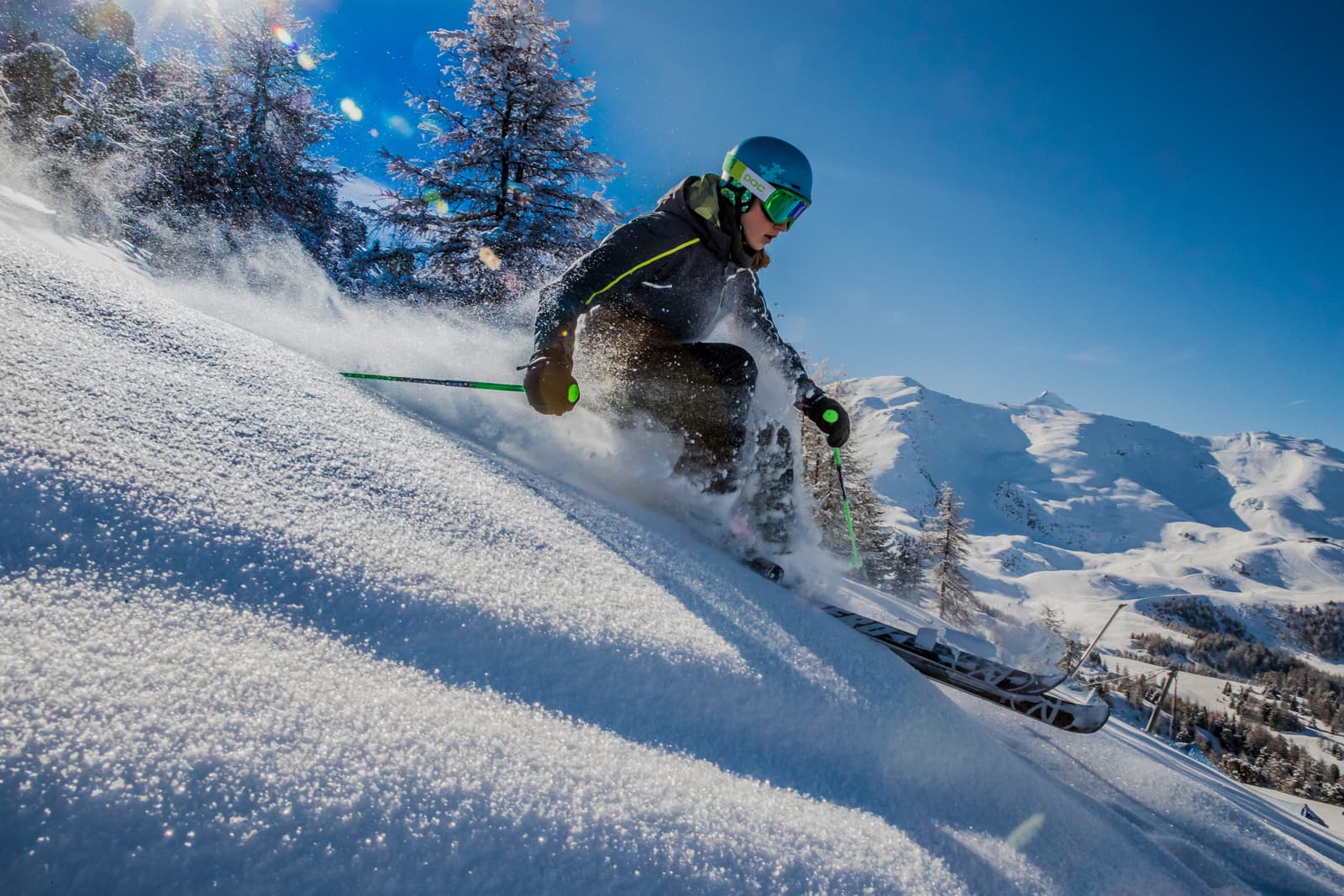
Pila is Aosta city's ski mountain, connected by gondola directly from town. You can stay in a real Italian city, ride the gondola, and be skiing in 20 minutes. The terrain is mid-range with good intermediate runs and Matterhorn views on clear days. Less famous than Cervinia or Courmayeur but dramatically more convenient.
Best for families who want Italian city life plus skiing without a mountain-resort commitment.
Only 38 runs across 70km, ageing lift infrastructure, and no guaranteed English-speaking instruction make Pila a poor fit for families who want scale, modernity, or linguistic reassurance.
Biggest tradeoff
What's the Skiing Like for Families?
Ski school quality is rated 4.45 out of 5 across 76 reviews on GoSnomad. These aren't numbers you see from ski schools that are coasting. The learning progression is physically separated from the main mountain in a way that reduces parental anxiety.
The Pila Kinder Ski Park sits adjacent to ski school headquarters: a private, fenced zone with its own tapis roulant (magic carpet) where beginners aged 3 and up take their first sliding steps without a single intermediate skier cutting through.
Your child's first experience of moving on snow happens in a controlled space. No surprises. Lesson pricing and logistics: Group lessons at Scuola di Sci Pila start from approximately €35/hour for children, with multi-day packages (5 half-days) around €150. Private lessons run €50-60/hour. The minimum age for group lessons is 3 years, and instructors teach in Italian and English.
For the youngest children (3-4), the half-day morning session is the realistic option: cold afternoons at 1,800m altitude drain small bodies fast. Progression prediction: A child who arrives having never skied will typically graduate from the Kinder Ski Park carpet lift to the Gorraz chairlift (a gentle blue) by day three.
By the end of a five-day programme, confident 6-year-olds are skiing the entire Gorraz-to-base blue run, roughly 2km of continuous descent.
That progression, from standing for the first time to completing a real mountain run, is faster here than at larger resorts because the terrain steps are small and close together. Mixed-ability logistics: Pila's gondola from Aosta deposits everyone at 1,800m, which is also where the ski school and Kinder Park are located.
A parent dropping off a child at lessons can be on the Couis 1 chairlift within four minutes, accessing the upper mountain's red and black runs. The return to the ski school collection point takes one run.
This matters: you are not losing 45 minutes of your own ski day to drop-off and pickup logistics. The compact layout means a family can realistically split and reconnect for lunch at Bar Ristorante Yeti at the base area without anyone having to catch a bus.
Trail Map
Full CoverageTerrain by Difficulty
Based on 23 classified runs out of 24 total
© OpenStreetMap contributors, ODbL
📊The Numbers
| Metric | Value |
|---|---|
Family Score | 6.9Good |
Best Age Range | 3–16 |
Kid-Friendly Terrain | — |
Ski School Min Age | 3 years † |
Kids Ski Free | — |
Local Terrain | 24 |
Score Breakdown
Value for Money
Convenience
Things to Do
Parent Experience
Childcare & Learning
Planning Your Trip
🏠Where Should Your Family Stay?
You have two distinct choices, and the right one depends on your family's priorities.
Pila village (1,800m) puts you on the snow. The TH Pila Hotel is the main property here and sits directly adjacent to the Kinderheim Miniclub, if you're using the crèche for a child under 3, this proximity is worth paying for.Self-catering apartments like Residence Ciel have been cited at approximately €700 per week during February half-term by independent reviewers, though specific current-season pricing should be verified directly. Pila village is small and quiet, which is either a benefit or a drawback depending on your tolerance for evening silence.
Aosta city (580m) offers restaurants, culture, shops, and a living Italian town with accommodation prices that undercut the mountain. You'll ride the gondola each morning, 17 minutes, operational from early morning, but you gain access to Aosta's Roman amphitheatre, medieval streets, and proper grocery stores.
For families planning non-ski days or with a non-skiing grandparent in tow, the city base adds genuine flexibility.
We don't have verified pricing across a wide range of Aosta city hotels, accommodation data for Pila is thinner than we'd like. Budget accommodation has been referenced at roughly €70 per night and mid-range at €110, but confirm these figures when booking.
How Much Are Lift Tickets?
The child day pass at €15 is the headline. For context, Cervinia charges roughly triple that, and Courmayeur isn't far behind. Over a five-day trip with two children, that difference alone can approach €200 in savings on lift access.
Adult day passes run €58, and according to multiple independent reviewers, a 6-day adult pass at Pila costs approximately €100 less than equivalent passes at Courmayeur or Cervinia.Buy passes online through pila.skiperformance.com for discounted rates versus the ticket window, specific discount amounts vary by period and aren't confirmed in our data, but the online option exists and is worth checking.
Family passes for two adults and two children are also available at a bundled discount; check pila.skiperformance.com for current rates before your trip.
You'll need a Pila Ricaricard: a €2 reloadable chip card that works as your lift pass. Keep it, the card functions across all Aosta Valley ski resorts, so if you day-trip to La Thuile or explore further afield, the same card loads up.
Self-catering is the biggest lever for budget families. Cooking breakfast and lunch in your apartment and eating one restaurant dinner in Aosta (where prices run well below resort averages) keeps daily food costs manageable. The Aosta supermarkets stock Fontina cheese, local cured meats, and fresh polenta, your in-apartment meals don't have to be sad.
Planning Your Trip
✈️How Do You Get to Pila?
Most families will fly into Turin airport, which sits 1.5 hours from Aosta by car via the A5 motorway. Milan Malpensa works too but adds an hour, budget 2.5 hours for that transfer. Drivers heading through France can approach via the Mont Blanc tunnel, though tunnel tolls add to the cost.
Here's where Pila differs from most Italian ski resorts: you may not need a car at all. Aosta is a proper railway town with direct connections from Turin (under 2 hours) and onward links from Milan.
The Pila gondola departs from beside Aosta railway station, you can step off a train, walk a few minutes, and be on snow in under twenty. For families arriving from France, rail connections via the Turin, Paris corridor make train travel realistic rather than aspirational.
If you do drive, parking is available at both the Aosta gondola base and in Pila village for those staying on-mountain. Snow chains or winter tyres are legally required in the Aosta Valley between October and April.
The gondola changes everything for families without a car. It's the resort's defining logistical advantage. The telecabina departs approximately every 20 minutes, takes 18 minutes to reach the ski area, and multi-day lift passes typically include gondola access. Pushchairs and ski bags fit inside the cabins without issue.
☕What's There to Do Off the Slopes?
The Roman theatre, partially excavated, dramatically lit in winter evenings, sits a few minutes' walk from the main piazza. Children who spent the morning falling over on skis can spend the afternoon climbing Roman walls. The food scene in Aosta adds real weight to the off-mountain experience.
Fontina cheese is the valley's signature product, and your kids will eat it melted over polenta, folded into crepes, and layered into focaccia at virtually every restaurant.
A sit-down lunch for a family of four at a trattoria on Via Croix de Ville runs €50 to €70, roughly half what you'd pay for mountain dining at a French station. The covered market on Piazza Cavalieri di Vittorio Veneto operates Tuesday and Saturday mornings, selling local meats, cheeses, and pastries that stock a self-catering apartment for the week.
For families staying on-mountain, the Kids' Programme fills afternoons with igloo building, snow-shoeing, skidoo rides, and zip lines, structured activities that keep children occupied without requiring parents to invent entertainment in a small village. Those afternoon activities are included in the full-day programme package, not charged separately.
On evenings when nobody feels like going down to Aosta, the resort's single bar serves hot chocolate and aperitivi, and the small ice rink next to the gondola station stays open until 9pm. It's not a lot, but for a family with tired kids, it's enough.
When to Go
Season at a glance — color-coded by family score
Common Questions
Everything families ask about this resort
Have a question we didn't cover? We'd love to add it to our guide.
The Bottom Line
Would we recommend Pila?
What It Actually Costs
Pila offers outstanding value because you stay in Aosta, a real Italian city with city prices, not resort markup. The gondola from Aosta takes 18 minutes to the slopes. Six-day passes run roughly EUR 210/adult and EUR 150/child, among the lowest in the Italian Alps.
The budget family in an Aosta apartment, cooking from the city market, riding the gondola daily: a week for four runs EUR 1,800-2,300. A day at Pila costs roughly half what a day at Cervinia or Courmayeur costs when you include food and lodging.
The comfortable family with a central Aosta hotel, city restaurant dinners, and mountain lunches: EUR 2,500-3,200. Aosta's restaurants are genuine Italian trattorie, not tourist canteens.
Weekly breakdown for a family of four (budget tier): Aosta apartment EUR 500-800, lift passes EUR 720 (2 adults + 2 children, 6 days), gondola included in pass, ski school EUR 200-300, food EUR 300-450 (market cooking + some restaurant meals), no transfer needed if arriving by train. Total: EUR 1,700-2,300 for the full week.
For context: Cervinia costs 40-50% more with much more terrain and the Matterhorn. Courmayeur costs 60-70% more with better scenery. La Thuile costs 20-30% more with cross-border skiing. Pila is where families land when budget is the primary driver and they want a genuine Italian city experience alongside their skiing.
Your smartest money move: Book an Aosta apartment, cook Italian from the city market (the produce alone justifies the trip), ride the gondola up daily, and spend what you save on a day trip to Cervinia or Courmayeur. Italian ski holiday at Italian city prices.
The Honest Tradeoffs
But if you want a few days of easy, gondola-access skiing combined with exploring a Roman city, the Pila-Aosta combination is unique.
The gondola from Aosta is the only practical access, and it closes in high winds, which can strand families at the top or prevent them from reaching the slopes entirely.
The small village at the top has only basic amenities: one restaurant, one bar, limited grocery options.
Should the tradeoffs outweigh the wins, consider Courmayeur for a bigger ski area with more off-mountain activities.
Would we recommend Pila?
Book in Aosta city and take the gondola up daily. If Pila is too small, Cervinia is an hour's drive with bigger terrain. Courmayeur is 45 minutes for expert skiing and a charming town. La Thuile is the quieter Aosta Valley alternative.
If you want to stay at the ski area, there are a few slope-side options, but Aosta is more interesting. Book accommodation in Aosta town (8 minutes by gondola) for restaurant, shopping, and cultural access that Pila itself completely lacks. Buy multi-day passes for per-day savings.
The Aosta gondola is the only practical access, check the operating schedule as it stops running in late afternoon. The Roman ruins in Aosta are a family-friendly rest-day activity.
Similar Resorts
Families who loved Pila also enjoyed these
Ortisei
Oetz
Campitello di Fassa
Sestriere
Cervinia
La Thuile
Transparency note: This content was created with AI assistance and reviewed by Tom Meredith, our editor. Prices, dates, and availability may change. We recommend confirming details directly with the resort before booking.