Cerro Catedral, Argentina: Family Ski Guide
120km of runs, then chocolate shops 20km downhill.
Last updated: April 2026
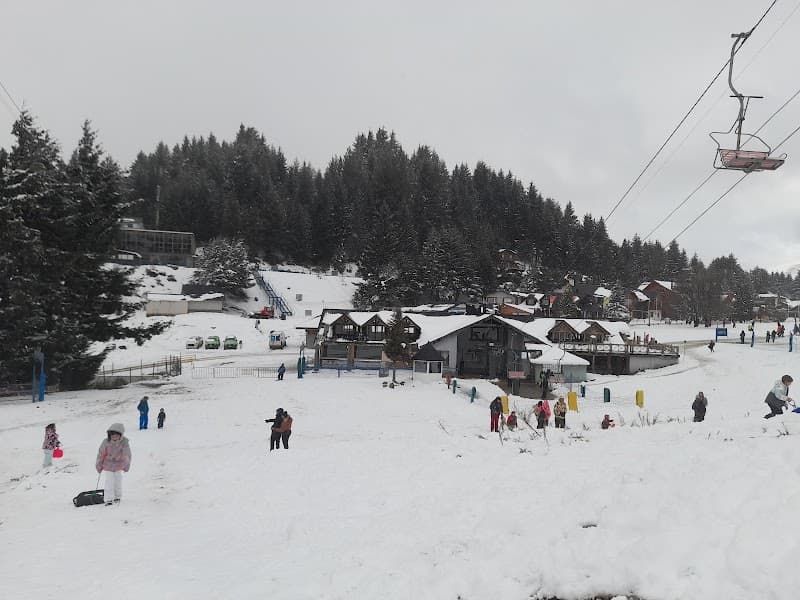
Argentina
Cerro Catedral
Book a hotel in Bariloche or a ski-in condo at the base, then buy lift passes. If Cerro Catedral's weekend crowds bother you, Chapelco is quieter and more intimate. If you want a true off-grid volcano experience, Caviahue is Argentina's hidden gem. Book accommodation in the Cerro Catedral base area for slopeside access, not in Bariloche city (20km away). Buy multi-day passes online for discounts of 10-15% versus window rates. Peak season is July school holidays, go in August for shorter queues and lower accommodation rates.
Is Cerro Catedral Good for Families?
South America's largest ski resort, set above Bariloche with Patagonian lake views and 120km of runs. Cerro Catedral has real infrastructure: ski school from age 4, rental shops, and a base village. More terrain variety than Chapelco or Caviahue, but also more crowds on weekends.
Best for families who want a proper ski week combined with Bariloche's chocolate shops and lakeside town.
Getting here requires a long-haul flight to Buenos Aires plus a connection or bus to Bariloche — a serious journey commitment with young children — and Argentina's chronic inflation means every published price must be treated as approximate.
Biggest tradeoff
What's the Skiing Like for Families?
The mountain has operated since 1938, making it one of the oldest ski resorts in the Southern Hemisphere, and that history shows in the organic layout: terrain sprawls across multiple bowls and ridgelines rather than following a single fall line. That said, the trail breakdown needs context.
Only 2% of the 58 marked runs carry a beginner rating, which sounds catastrophic for first-timers. It isn't. Five dedicated beginner zones sit at the resort base and lower mountain, protected areas with gentle gradients and slow-speed zones that don't appear in the standard trail count.
These are where your children will spend their first days, and they're deliberately separated from faster intermediate and advanced traffic. The Play Park area adds a beginner terrain park for kids gaining confidence. For families with mixed abilities, the mountain's structure helps rather than hinders.
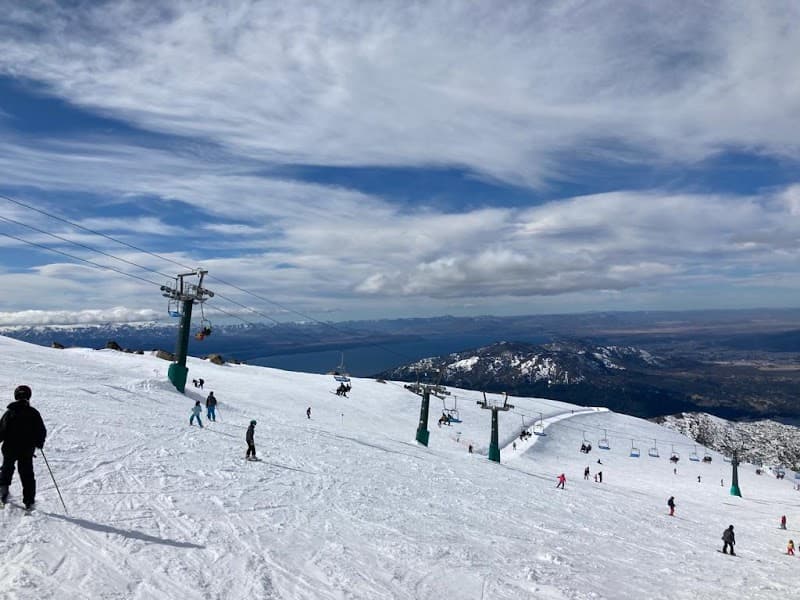
The gondola and the high-speed six-person chair carry everyone upward together, but the terrain naturally separates from there.
Intermediate cruisers dominate the mid-mountain with 57% of runs rated blue, while the advanced and expert lines (33% and 9% respectively) push toward the exposed summit ridges and the tree-covered flanks accessible from the Condor Tres double chair.
Freeskier magazine's Ben Girardi has described the tree skiing off Condor Tres as among the resort's best, with old-growth snow-covered moss creating what he called a "Narnia" atmosphere beneath the canopy.
The longest run stretches 5.6 miles from summit to base, a leg-burner that intermediates can handle and that advanced teens will want to time-trial.
Families wanting to meet mid-day should target the base area restaurants rather than attempting on-mountain rendezvous; the lift network of 26 lifts connects the terrain broadly but not always intuitively.
Snowmaking covers just 10 acres of the 1,480-acre total. This resort lives and dies by natural Patagonian snowfall.
Trail Map
Full CoverageTerrain by Difficulty
Based on 77 classified runs out of 94 total
© OpenStreetMap contributors, ODbL
📊The Numbers
| Metric | Value |
|---|---|
Family Score | 6.9Good |
Best Age Range | 4–14 |
Kid-Friendly Terrain | 39%Above average |
Childcare Available | Yes † |
Ski School Min Age | 4 years † |
Kids Ski Free | — |
Kids Terrain Park | Yes |
Local Terrain | 94 |
Score Breakdown
Value for Money
Convenience
Things to Do
Parent Experience
Childcare & Learning
Planning Your Trip
🏠Where Should Your Family Stay?
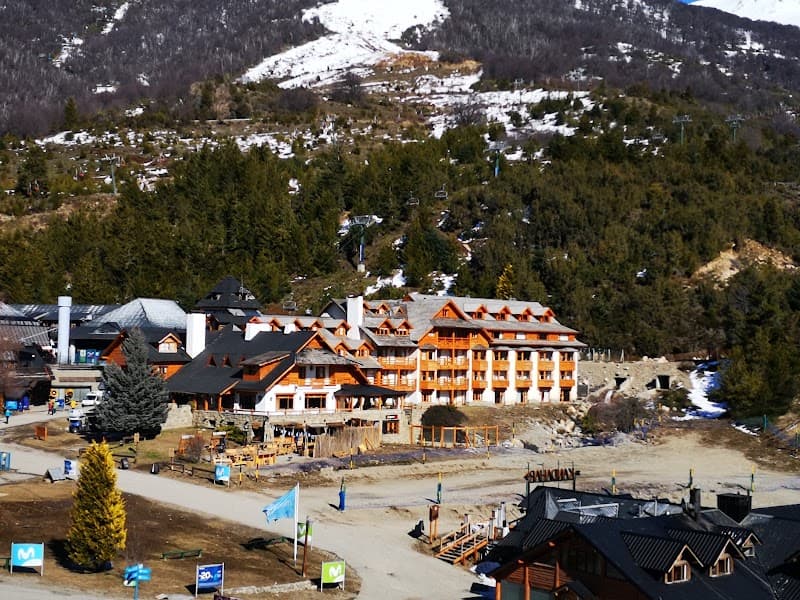
Two choices define your accommodation decision: sleep at the resort base or stay in Bariloche city, 20km away.
The resort base offers slopeside convenience, walk to lifts, skip the daily shuttle, but limited dining, shopping, and evening options. For families prioritizing maximum ski time with young children in ski school, base accommodation reduces morning logistics.Specific hotel names and pricing at the base were not available in our research, but options can be searched through the resort's official site or Interpatagonia.com.
Bariloche city is where most families should look.
This is a functioning city of 130,000 people with supermarkets, pharmacies, chocolate shops, lakeside restaurants, and accommodation ranging from budget apartments to mid-range hotels to boutique lakeside properties. Self-catering apartments in Bariloche stretch your budget significantly, a crucial advantage given that restaurant dining with children happens early and often here.
The tradeoff is the daily 20km transfer. Shuttle services operate during the season, and taxis or rental cars fill the gap, but you're adding 30 minutes each way to your ski day. For families with a toddler in childcare and older children in ski school, that commute twice daily gets old by Wednesday.
We don't have verified nightly rates for specific properties, Argentine peso volatility makes published prices unreliable even week to week. Book as close to your travel date as you're comfortable with, and confirm pricing in the currency you'll actually pay in.
How Much Are Lift Tickets?
Every ARS figure in this section comes with a mandatory caveat: Argentine peso inflation means these numbers may be inaccurate by the time you read them. Treat them as ratios and ranges, not fixed prices. The resort prices in pesos but most international visitors think in USD, so we provide both where possible.
As of the 2025 season, an adult day pass runs roughly ARS 160,000 (approximately USD 115), with children receiving a discounted rate. Multi-day passes reduce the per-day cost by roughly 10 to 15 percent across a 7-day purchase. A 7-day adult pass has been quoted at around USD 750, children around USD 550.Prices follow three season tiers (low, mid, high) and the gap between them is significant, sometimes 30 percent between low and high season for the same ticket.
Children under 6 ride the beginner lifts free when accompanied by a ticketed adult, though access is limited to the lower mountain. There is no Epic or Ikon affiliation here.
Season passes exist but are priced primarily for the domestic Argentine market and rarely make sense for a visiting family.
Tickets are purchased at the base area ticket windows. Online pre-purchase is not available for international visitors as of the 2025 season, so build 20 to 30 minutes into your first morning for the queue. The ticket office accepts both pesos and major credit cards. A keycard deposit (roughly ARS 5,000) applies and is refundable on return.All prices include 10.5% VAT (the keycard itself carries 21% VAT).For families doing a full week, the math works out to roughly USD 1,300 for two adults and one child on 7-day passes at mid-season rates.
That is cheaper than a comparable week at most Patagonian Chilean resorts, but meaningfully more expensive than it was three years ago in real USD terms.
Budget accordingly and check the exchange rate the week before you fly.
Planning Your Trip
✈️How Do You Get to Cerro Catedral?
For families with young children, this is a two-flight commitment each way on top of whatever long-haul leg brought you to Argentina. From Bariloche airport, the resort base at Cerro Catedral sits 20km southwest, a 30-minute drive by taxi, shuttle, or rental car. Bus services run from Bariloche's central terminal to the resort base during ski season.
A rental car gives you flexibility for Bariloche city dining and non-ski day excursions to Nahuel Huapi National Park, but daily transfers by shuttle work fine if you'd rather not drive. The ski season runs late June through late September, 115 days.
July is peak, the heaviest snowfall month at 32 inches, but also the busiest, coinciding with Argentine school holidays. European and North American families will find June and August-September offer lighter crowds at the cost of thinner snowpack.
We don't have verified car park pricing data for the resort base.
Compared to Valle Nevado or Portillo in Chile, the total journey time is similar, but Bariloche's real-city infrastructure means you're not arriving at an isolated mountain compound.
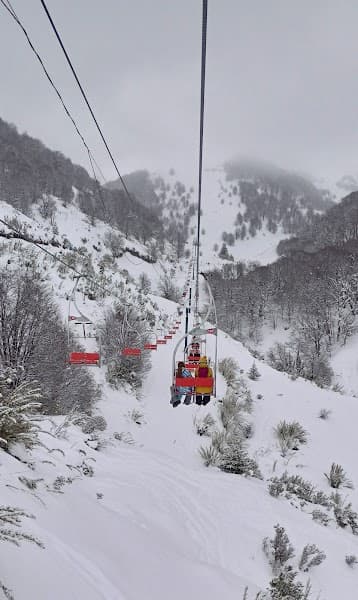
☕What's There to Do Off the Slopes?
They're fuel stops with altitude.
The real après-ski story is 20km downhill in Bariloche. OnTheSnow rates it the number one après-ski destination in South America, and unlike purpose-built resort villages, this is an actual city with an actual nightlife, bars, live music, late-night restaurants.
For parents, this matters only if you have childcare sorted or older teens, because Argentine evenings start late and run later.
What Bariloche does brilliantly for families during the day: chocolate. Mamuschka and Rapa Nui are the most-cited artisan chocolatiers, but the city centre is lined with shops tied to the Swiss and German immigrant tradition that built this craft here over a century ago.Let your eight-year-old do a chocolate tasting and you've bought yourself goodwill for three more days of ski school.
On non-ski days, Nahuel Huapi National Park surrounds the city, lake tours, short treks suited to family fitness levels, and kayaking when weather allows. Bariloche functions as a complete holiday base in a way that isolated mountain resorts simply cannot match.
When to Go
Season at a glance — color-coded by family score
Common Questions
Everything families ask about this resort
Have a question we didn't cover? We'd love to add it to our guide.
The Bottom Line
Would we recommend Cerro Catedral?
What It Actually Costs
Group ski school for ages 4 to 12 starts at USD 40/day. Accommodation in Bariloche ranges from USD 50/night for hostels to USD 200+ for lakefront hotels.
A budget family of four skiing five days, staying in Bariloche with self-catering: plan USD 2,000 to 3,000 total.
That is roughly what two adults pay for three days at a mid-tier Colorado resort. The Patagonian lake setting, chocolate shops, and town character add value that most ski destinations worldwide cannot match.
A comfortable family in a lakefront hotel with restaurant dining and daily ski school: USD 3,500 to 5,000. Flight connections through Buenos Aires add USD 200 to 400/person round trip.
Compare to Chapelco (USD 1,500 to 2,500/week, smaller terrain, prettier town at San Martín), Las Leñas (USD 2,000 to 3,500/week, expert terrain, remote with limited family infrastructure), or Caviahue (USD 800 to 1,200/week, basic but remarkably cheap). Cerro Catedral has South America's best family infrastructure: modern lifts, reliable snowmaking, and Bariloche's town scene 20 minutes by shuttle.
Your smartest money move: Go in August or September when Argentine school holidays end and prices drop 20 to 30%. Stay in Bariloche rather than slopeside for 40% savings on accommodation, and take the 20-minute public shuttle to the mountain.
The Honest Tradeoffs
The resort sprawls across multiple base areas, which means navigation with small children requires planning.
If crowds are a dealbreaker, Chapelco is calmer with shorter lift lines and San Martín de los Andes offers a more intimate town experience. If guaranteed snow coverage matters more than terrain variety, Chilean resorts like Valle Nevado deliver more consistent conditions.
Families who want something different should consider Chapelco for a smaller, calmer resort with shorter lift lines and one of South America's prettiest ski towns.
Would we recommend Cerro Catedral?
Book a hotel in Bariloche or a ski-in condo at the base, then buy lift passes. If Cerro Catedral's weekend crowds bother you, Chapelco is quieter and more intimate. If you want a true off-grid volcano experience, Caviahue is Argentina's hidden gem. Book accommodation in the Cerro Catedral base area for slopeside access, not in Bariloche city (20km away).
Buy multi-day passes online for discounts of 10-15% versus window rates. Peak season is July school holidays, go in August for shorter queues and lower accommodation rates.
Similar Resorts
Families who loved Cerro Catedral also enjoyed these
Blue Mountain
Caviahue
Panorama
Le Massif
Mont Tremblant
Fernie
Transparency note: This content was created with AI assistance and reviewed by Tom Meredith, our editor. Prices, dates, and availability may change. We recommend confirming details directly with the resort before booking.