Ski Like an Olympian: Resorts Where You Can Ski the Olympic Runs
Ski the same runs as Olympic champions. These resorts hosted Winter Olympics skiing events, and you can still ski them today.
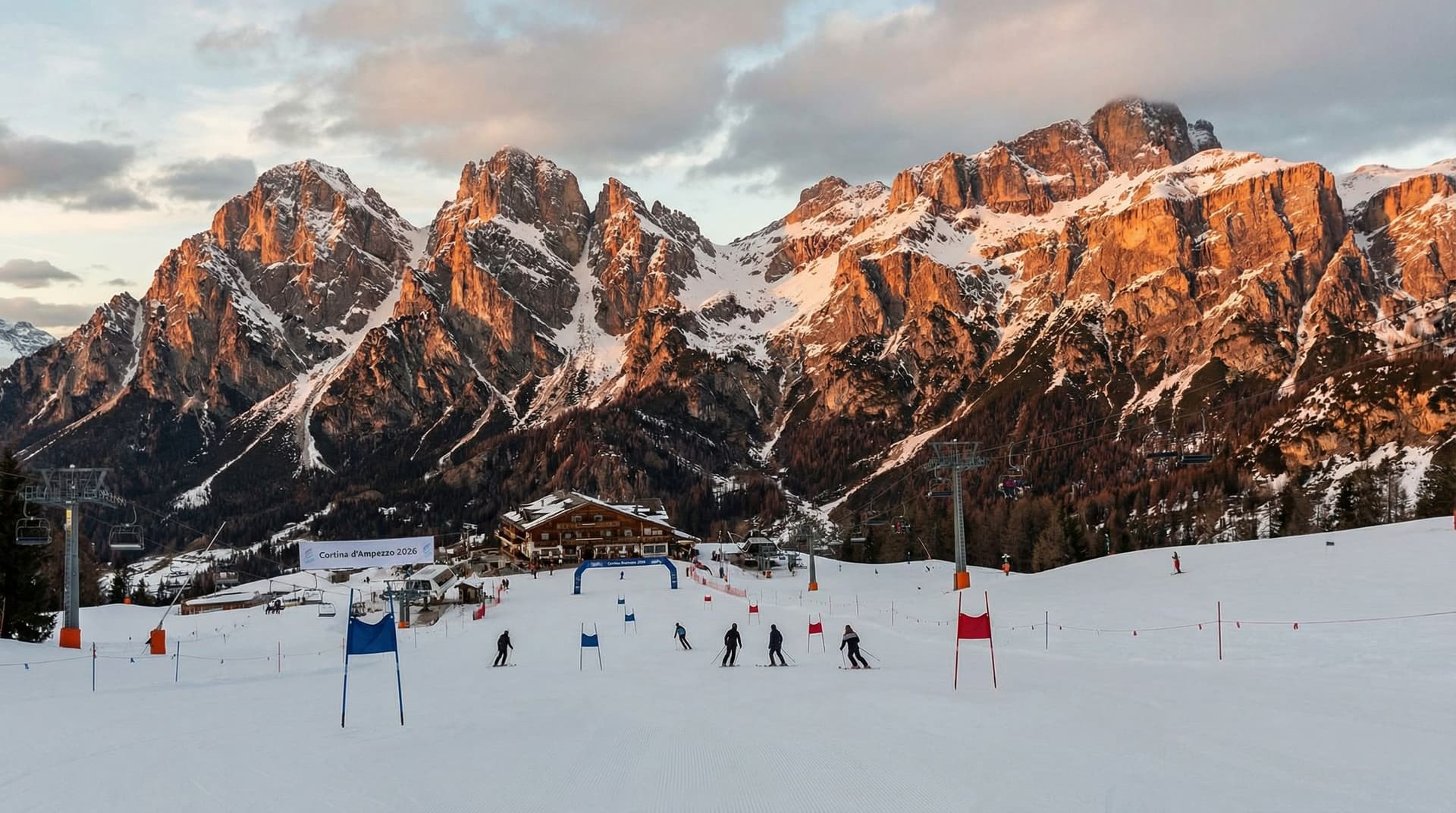
Nothing beats the rush of carving turns on the same slopes where Olympic legends made history,and yes, your family can actually ski these iconic runs. Unlike most ski resort marketing fluff, Olympic venues offer something special: meticulously maintained courses designed by the world's best slope engineers, with safety features and sight lines that make intermediate skiers feel like champions.
The magic isn't just in the prestige,Olympic runs are built to different standards. Take Whistler's Dave Murray Downhill, where the 2010 men's downhill was decided by 0.09 seconds: every bump and banking turn was precision-crafted for 80+ mph racing, which means buttery-smooth skiing for your family at normal speeds. These courses feature wider safety margins, better snow-making systems, and strategic placement that maximizes mountain views.
We've identified six resorts where Olympic history meets family-friendly skiing: from Whistler's dual 2010 venues to lesser-known gems like Norway's Kvitfjell, where you can ski Kjetil André Aamodt's legendary Super-G course for the price of a regional hill back home. Each offers a different flavor of Olympic skiing, from technical precision to pure speed thrills.
Top Olympic Ski Resorts for Families
Whistler Blackcomb, Canada
La Plagne, France
Park City Mountain Resort, Utah
Rosa Khutor, Russia
Hakuba Valley, Japan
Kvitfjell, Norway
Olympic Resorts At-a-Glance
| Resort | Olympic Events | Beginner Terrain | Kids Programs | Base Lodging Cost |
|---|---|---|---|---|
| Whistler Blackcomb | 2010: Alpine, Nordic Combined, Ski Jumping | 25% green runs, Magic Carpet lifts | Whistler Kids ages 3-12, $189/day | $320/night village hotels |
| Park City (Canyons) | 2002: Giant Slalom, Super-G | 17% beginner terrain, covered carpets | Park City Ski School ages 3+, $165/day | $280/night base area |
| Deer Valley | 2002: Slalom, Moguls, Aerials | 15% novice slopes, no snowboards | Children's Center ages 2-12, $195/day | $450/night resort hotels |
| Soldier Hollow | 2002: Nordic events only | Cross-country only, groomed trails | Nordic programs ages 8+, $45/day | $180/night nearby Midway |
| Val d'Isère | 1992: Alpine events | 13% green runs, ESF instruction | Club Piou Piou ages 3-6, €85/day | €400/night village center |
| Cortina d'Ampezzo | 1956 & 2026: Full Alpine program | 20% beginner slopes, Italian charm | Scuola Sci ages 4+, €70/day | €250/night town hotels |
What Makes Olympic Runs Special
Olympic downhill courses aren't just steep,they're engineered death traps that happen to produce the world's most spectacular skiing. The difference between racing down Kitzbühel's Hahnenkamm and your local black diamond isn't just difficulty; it's that Olympic runs are designed to separate superhuman athletes at 80+ mph, not provide a fun afternoon for mortals.
The technical reality is sobering: Olympic downhill courses feature sustained gradients of 30-35% (compared to 25% for typical expert runs), with compression zones that generate forces exceeding 3Gs and jump sections where racers go airborne for 200+ feet. Kitzbühel's infamous Mausefalle drop hits 85% gradient,nearly vertical,while Wengen's Lauberhorn includes a 2-mile section where racers maintain 60+ mph. These aren't accidents of terrain; they're precisely engineered challenges that push equipment and human physiology to absolute limits.
Here's what makes some Olympic runs accessible to strong intermediates: most resorts offer modified versions of the original courses. Whistler's Dave Murray Downhill, for example, bypasses the most technical sections used in 2010, while still delivering the thrill of skiing where Lindsey Vonn won gold. St. Moritz lets you ski portions of their historic 1948 course, but routes you around the dangerous technical sections. The key is understanding which resorts offer the sanitized tourist version versus the full Olympic experience,because attempting the latter without proper training isn't brave, it's stupid.
Planning Your Olympic Ski Adventure
- Book lessons with instructors who've worked Olympic events - they cost 20-30% more but know the actual racing lines
- Download the resort's trail map app before you arrive - Olympic runs often have confusing intersections with regular trails
- Check if the Olympic course is open on your visit dates - many close during race training or high wind
- Reserve your spot on guided Olympic history tours at least 48 hours ahead - most resorts limit groups to 12 people
- Bring a helmet even if you normally don't - Olympic runs have mandatory helmet policies due to higher speeds
- Pack a GoPro with extra batteries - you'll want multiple attempts to nail the perfect downhill footage
- Research which specific Olympic events happened on each run - knowing it's a Super-G vs slalom course changes your approach
- Book accommodations within walking distance of the Olympic base lodge - driving adds 20-30 minutes each morning
- Plan for 2-3 warm-up runs on easier terrain before attempting the Olympic course - even intermediate skiers need this
- Check resort websites for Olympic memorabilia shops - limited edition items sell out by mid-season
- Verify your ski insurance covers Olympic runs - some policies exclude 'racing terrain' from coverage
- Download timing apps like Ski Tracks to compare your speeds with Olympic records - adds competitive fun to your runs
Making It Memorable for Kids
Kids remember experiences they can touch, see, and brag about,so turn their Olympic run into a tangible achievement they'll treasure for years. Start at the base lodge by taking photos with the official Olympic signage and course maps, then have them hold up fingers showing which Olympics happened there (Whistler 2010, Sochi 2014 venues, etc.).
Create a mini-ceremony at the finish line where you present them with a homemade "Olympic certificate" or let them stand on an imaginary podium while you play their favorite song. Many resorts like Whistler's Creekside base still have Olympic rings displays perfect for victory photos. Pack a small celebration snack,hot chocolate tastes infinitely better when you're "celebrating like a champion."
Most importantly, focus on the story they'll tell their friends. Teach them one cool fact about the actual race that happened there (like how Lindsey Vonn crashed on this exact turn, or how this was the course where someone set a speed record), then let them be the expert who shares that knowledge. Kids who can say "I skied where the Olympics happened and here's what I learned" become kids who remember the mountain forever.
Olympic Ski Resort FAQ
Are Olympic runs actually too difficult for intermediate skiers?
What's the real cost difference between Olympic resorts and regular mountains?
When should we visit to actually ski the Olympic courses?
At what age can kids realistically handle Olympic terrain?
Do we need special equipment to ski Olympic runs?
Which Olympic resort gives the most authentic racing experience?
Get our free family ski trip checklist and one useful email a month.
Ready to Plan Your Trip?
Use our tools to find the perfect family ski resort.
More Resort Comparisons
Europe vs USA: Which Is Actually Cheaper for a Family Ski Trip?
The founding claim of this site, tested against real published prices. Europe wins almost every line item once you land. The USA wins the flight. Here is the like-for-like week, with every number season-labeled and every gap in our data marked as a gap.
Resort ComparisonsBest Ski Resorts for Toddlers (Ages 2-5)
Finding the right resort for your littlest skiers makes all the difference. These resorts excel at childcare, beginner terrain, and keeping toddlers happy.
Resort ComparisonsBest Family Ski Resorts Near Zurich
Flying into Zurich? You could be skiing within 90 minutes. Six resorts sit within easy train or car reach of ZRH, and the Swiss Family Card makes kids ride free.
Transparency note: This content was created with AI assistance and reviewed by Tom Meredith, our editor. Prices, dates, and availability may change. We recommend confirming details directly with the resort before booking.