Spring Break Skiing: Best Resorts for Families
Discover top family ski resorts for spring break with reliable snow, fun activities, and fewer crowds than peak winter.
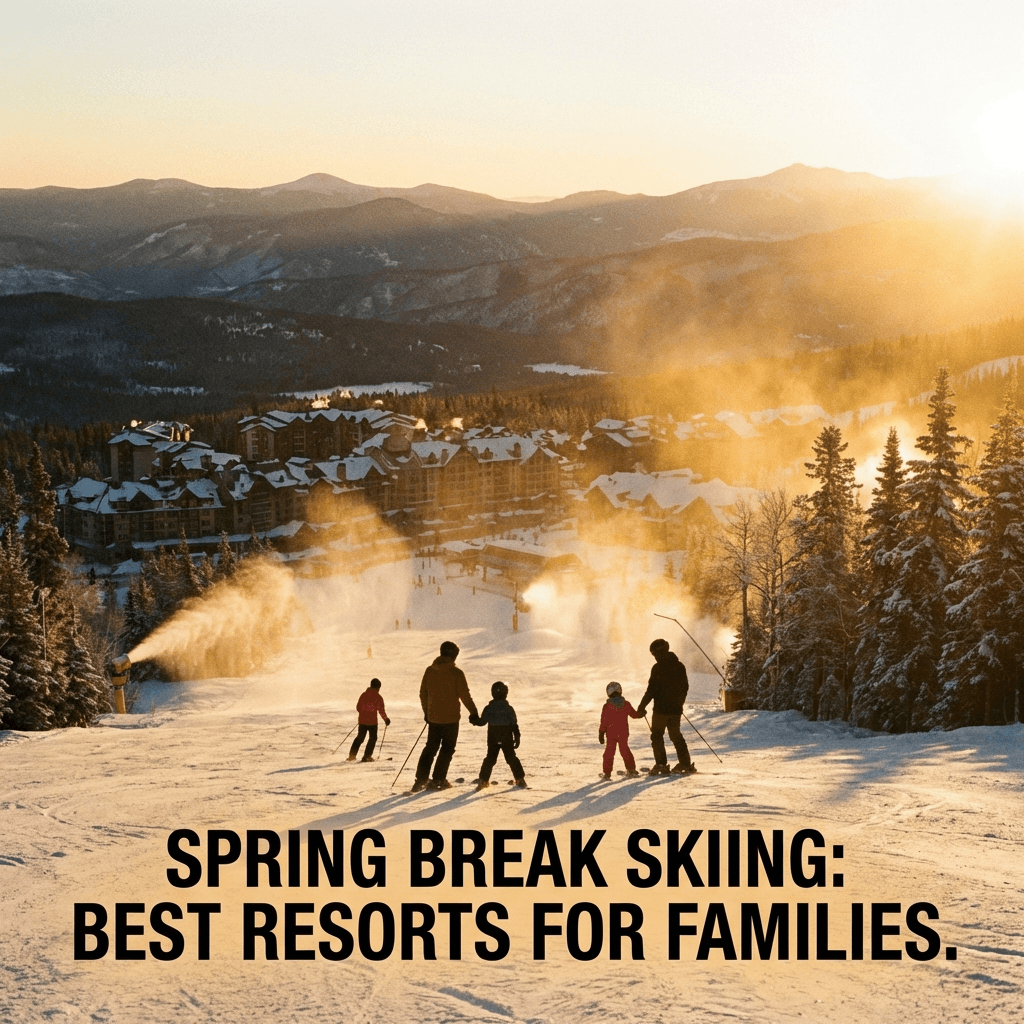
Spring skiing transforms your family vacation from a battle against bitter cold into pure joy,longer daylight hours mean you're not rushing kids off the mountain by 3 PM, and temperatures in the 40s and 50s let everyone shed the bulky layers that make bathroom breaks a nightmare.
The real magic happens underfoot: corn snow, created by daily freeze-thaw cycles, provides the most forgiving surface your intermediate skiers will ever experience. Unlike the icy hardpack of February or the unpredictable powder dumps that terrify beginners, spring's granular snow catches edges gently and forgives mistakes. You'll watch your kids gain confidence in ways that would take weeks during peak season.
The best spring break ski resorts combine reliable snow coverage through April with family-friendly logistics,think ski-in/ski-out lodging, robust lesson programs that continue into late season, and villages that stay lively when other destinations shut down. We've identified resorts where your March or April trip delivers better value, shorter lift lines, and more actual skiing time than any peak season visit.
Top 10 Family Spring Break Ski Resorts
Park City Mountain Resort, Utah
Whistler Blackcomb, British Columbia
Mammoth Mountain, California
Copper Mountain, Colorado
Mont-Tremblant, Quebec
Keystone Resort, Colorado
Sun Valley, Idaho
Resort Comparison: Key Features
| Resort | Adult Lift Ticket | Beginner Terrain | On-Site Childcare | Spring Break Perks |
|---|---|---|---|---|
| Steamboat Springs | $179/day | 18% green runs | Kids' Vacation Center (ages 6mo-6yr) | Free marshmallow roasts, pond skimming |
| Park City | $189/day | 17% green runs | Ski Guardians (ages 3mo-12yr) | Free outdoor concerts, village activities |
| Whistler Blackcomb | $149 CAD/day | 25% green runs | Whistler Kids (ages 18mo-12yr) | World Ski & Snowboard Festival events |
| Copper Mountain | $169/day | 21% green runs | Belly Button Babies (ages 2mo-6yr) | Free tubing hill, spring pond skim |
| Keystone | $179/day | 14% green runs | Children's Center (ages 2mo-6yr) | Kidtopia activities, Easter egg hunts |
What Makes Spring Skiing Special
Spring skiing transforms into the most forgiving season for families,softer snow means gentler falls, and warmer temperatures eliminate the battle of getting kids bundled up in sub-zero gear. The legendary "corn snow" that develops from freeze-thaw cycles creates grippy, consistent conditions that give nervous intermediate skiers newfound confidence on steeper terrain.
Those extra daylight hours work magic for family logistics. March and April deliver up to 12-13 hours of daylight at most North American resorts, meaning you can start later (goodbye 7 AM wake-up calls), take longer lunch breaks, and still squeeze in afternoon runs. Kids stay energized longer when they're not fighting bitter cold, and parents actually enjoy watching from the base lodge deck instead of huddling indoors.
Safety considerations shift in spring conditions. Corn snow can become sticky and grabby by mid-afternoon, especially on lower-elevation runs that see full sun exposure. Plan your most challenging runs for morning hours when snow is still firm, and stick to shaded or higher-elevation terrain after 2 PM. Always pack extra layers,spring weather can swing 40 degrees between morning and afternoon, and sudden afternoon storms still dump fresh snow even in April.
Winter Park exemplifies spring break skiing at its best, high-altitude terrain holds snow well into April, and the free Winter Park Express train from Denver eliminates the I-70 traffic nightmare that plagues other Colorado resorts during spring break weeks.Spring Skiing Packing Checklist
- Pack SPF 30+ sunscreen specifically for snow sports - regular beach sunscreen won't cut it at 8,000+ feet
- Bring polarized sunglasses rated for glacier conditions, not just your regular shades
- Pack a lightweight base layer you can strip down to when temps hit 50°F by afternoon
- Choose a shell jacket over insulated - you'll be unzipping constantly as conditions change
- Pack lightweight fleece or softshell mid-layer that breathes better than winter down
- Bring neck gaiter or buff for morning wind, afternoon sun protection
- Pack extra goggles with low-light lenses for flat light conditions common in spring
- Choose moisture-wicking socks over thick wool - your boots will get wet from slush
- Bring waterproof gloves, not just insulated ones - spring snow is wet and grabby
- Pack a small backpack for shed layers as the day warms up
- Include lip balm with SPF 15+ - mountain sun reflects off snow and burns fast
- Bring quick-dry pants or shorts for après-ski - you'll want to change out of wet gear
- Pack extra pairs of gloves and socks - spring skiing means getting soaked
- Choose all-mountain skis over powder skis - spring conditions favor versatility over float
Booking Tips for Spring Break
Book your spring break ski trip by early January to lock in reasonable rates,waiting until February means paying 30-40% more and facing severely limited accommodation options. Most families make the mistake of booking during actual spring break week, but the two weeks before traditional spring break offer identical snow conditions with 25% lower lodging costs and half the lift lines.
Target the second and third weeks of March for the sweet spot of spring skiing. Snow coverage is still excellent at most resorts, temperatures are perfect for outdoor lunches, and you'll avoid the chaos of peak spring break crowds. Whistler, Park City, and Mammoth all offer their best spring deals during these "shoulder" weeks, with many hotels throwing in free breakfast or lift ticket discounts.
Consider Sunday-to-Sunday stays instead of the traditional Saturday-to-Saturday model,you'll save significantly on flights and lodging while experiencing quieter slopes on your arrival day. Many resort booking sites don't prominently display Sunday options, so call the resort directly or check individual hotel websites. For last-minute bookings, Wednesday departures can yield surprising deals as resorts try to fill midweek gaps.
Spring Break Skiing FAQ
Will there be enough snow for good skiing in March and April?
What should we wear for spring skiing temperatures?
Are lift tickets cheaper during spring break weeks?
Do ski lessons still run with smaller crowds in spring?
What time should we start skiing to get the best conditions?
Which resorts have the longest spring skiing seasons?
Get our free family ski trip checklist and one useful email a month.
Ready to Plan Your Trip?
Use our tools to find the perfect family ski resort.
More Seasonal Guides
El Niño and the 2026/27 Ski Season: Will It Affect Your Trip?
Forecasters give this winter a greater than 90% chance of a very strong El Niño, and a 69% chance of the strongest on record. Here is what that actually shifts, region by region, what it does not shift at all, and the one past winter that should stop anyone promising you an epic season.
Seasonal GuidesEl Niño and Tahoe 2026/27: The Strongest Signal in North America
No ski region in North America responds to El Niño like Tahoe. Palisades averaged 186% of its normal snowpack across the three strongest events and hit 256% in 1982-83. Here is what that actually means for a family week, including the two ways a huge Tahoe winter can still ruin your trip.
Seasonal GuidesWhere to Ski at Christmas in Europe With Kids
The magical European Christmas ski trip you keep imagining. Which countries do it best, where to find real Christmas markets on the mountain, and how to pull it off without losing your mind.
Transparency note: This content was created with AI assistance and reviewed by Tom Meredith, our editor. Prices, dates, and availability may change. We recommend confirming details directly with the resort before booking.