Termas de Chillán, Chile: Familien-Skiguide
Heiße Quellen, kalter Schnee – Familien-Wellness am Vulkan
Last updated: June 2026
Chile
Termas de Chillán
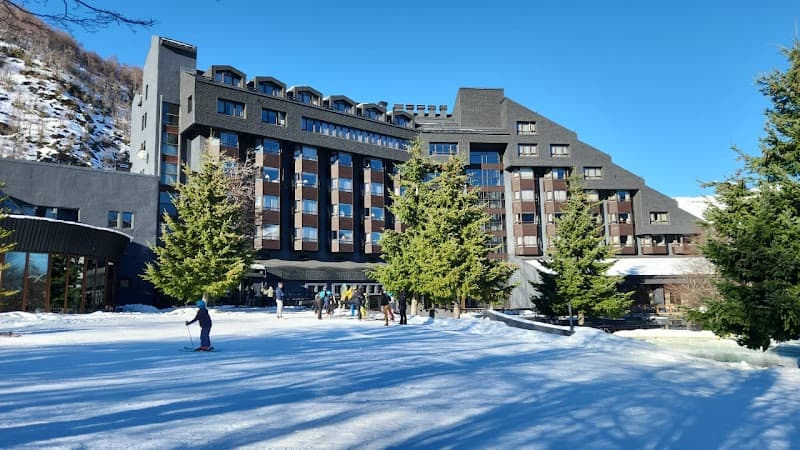
Termas de Chillán ist das Anti-Programm zum stressigen Skiurlaub. Statt voller Pisten und durchgetakteter Skitage erwartet euch hier: Morgens ein paar entspannte Abfahrten, nachmittags in dampfenden Thermalbecken sitzen, abends am Kamin in der eigenen Cabaña. Umgeben von 1.000 Jahre alten Araukarien und vulkanischer Landschaft. Für Familien mit kleinen Kindern oder solche, die bewusst Entschleunigung suchen, ein Geheimtipp aus Südamerika.
Ist Termas de Chillán gut für Familien?
Termas de Chillán ist das Schwesterresort von Nevados de Chillán, mit noch stärkerem Fokus auf Thermalquellen und Wellness. Weniger Pisten, aber dafür eines der besten Thermal-Erlebnisse Südamerikas: heiße Quellen inmitten von Araukarien-Wäldern auf einem aktiven Vulkan. Hier kommt man zum Entspannen, und nimmt das Skifahren als Bonus mit.
Perfekt für: Familien, die Wellness und Natur über Pistenkilometer stellen.
Eher nicht für: Ambitionierte Skifahrer, die große Gebiete und viele Lifte brauchen.
Getting there requires international flights to Chile, a connecting hop to Concepción, and a 2.5-hour mountain transfer — the logistics alone will eliminate this resort for time-poor or budget-conscious families.
Biggest tradeoff
Wie ist das Skifahren für Familien?
Das Gebiet
Kompaktes Skigebiet mit ca. 12 Pisten und 4 Liften (darunter 2 Sessellifte). Höhenunterschied: ca. 500 Meter. Weniger Pistenvielfalt als Nevados de Chillán, aber die Thermalquellen kompensieren das mehr als genug. Vulkankulisse und Araukarien-Wälder als Panorama.
Für Anfänger
Der untere Bereich bietet sanfte Übungsflächen mit wenig Durchgangsverkehr. Ein Zauberband ist vorhanden für die allerersten Schritte auf Skiern. Die Übersichtlichkeit des gesamten Gebiets ist für kleine Kinder ein enormer Vorteil: Eltern behalten jederzeit den Überblick und müssen sich keine Sorgen machen.
Für Fortgeschrittene
Einige schöne mittelschwere Abfahrten durch lichten Baumbestand mit Araukarien-Kulisse. Die Pisten sind breit und ordentlich präpariert. Für 2-3 Skitage absolut ausreichend, danach kennt man jede Kurve. Kombiniere mit Tagesausflügen nach Nevados für mehr Abwechslung.
Für Könner
Begrenzt. Einige steilere Varianten und Off-Piste-Möglichkeiten im vulkanischen Gelände, aber kein ernsthafter Vergleich mit Nevados de Chillán oder Portillo. Wer Expert-Terrain braucht, fährt die 15 Minuten nach Nevados.
Skischule
Kurse für Kinder ab 4 Jahren in kleinen Gruppen (max. 5 Kinder). Spanischsprachig, einige Lehrer sprechen etwas Englisch. Die Atmosphäre ist familiär und geduldig, ideal für erste Skierfahrungen. Preise: ca. 40.000 CLP/Halbtag (Gruppenkurs). Privatkurse ab 80.000 CLP/Stunde.
Essen am Berg
Restaurant im Basisbereich mit chilenischer Hausmannskost: Empanadas, Cazuela (Eintopf), Sandwiches und heiße Schokolade. Günstig, herzhaft und kinderfreundlich. Alternativ schnell ins Hotel zurück (5 Gehminuten) für das Buffet.
Trail Map
Full CoverageTerrain by Difficulty
© OpenStreetMap contributors, ODbL
📊Die Zahlen
| Kennzahl | Wert |
|---|---|
Familien-Score | 6.7Gut |
Bestes Alter | 2–15 |
Kindergelände | — |
Kinderbetreuung vor Ort | Ja †Ab 24 Monaten |
Skischul-Mindestalter | — |
Kinder fahren gratis | — |
Lokales Gelände | 47 |
Score im Detail
Preis-Leistung
Komfort
Beschäftigung
Eltern-Erlebnis
Betreuung & Lernen
So plant ihr die Woche
🏠Wo sollte eure Familie übernachten?
Im Resort
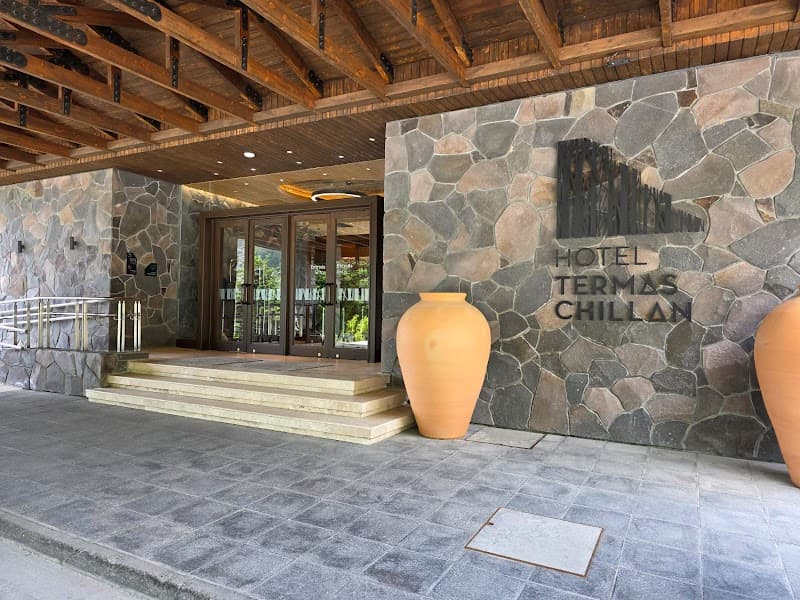
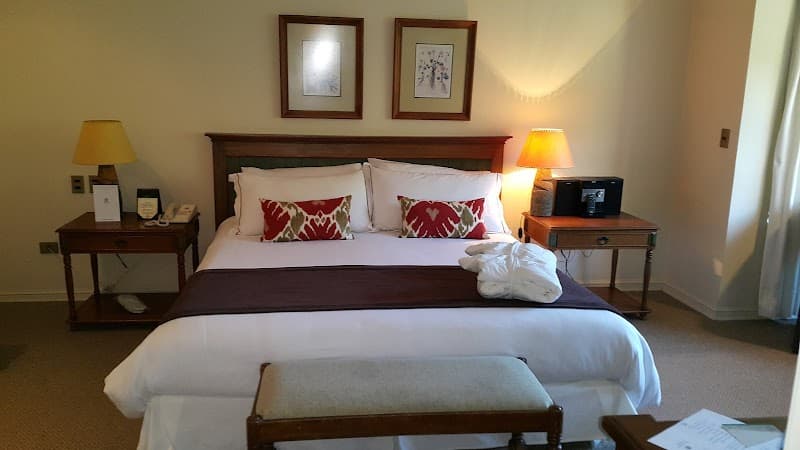
Hotel Termas de Chillán: Das Haupthotel mit direktem Zugang zu den Thermalbecken. Komfortable Zimmer, Restaurant, Spa-Bereich. Familienzimmer verfügbar. Ab ca. 130.000 CLP/Nacht (≈ 130 €).
Cabañas im Resortbereich: Eigenständige Hütten mit Küche, Kamin und privatem Hot Tub auf der Terrasse. Perfekt für Familien mit Kindern. Ab ca. 100.000 CLP/Nacht.
Außerhalb
Cabañas auf dem Weg: Zahlreiche private Ferienhütten zwischen Chillán und dem Resort. Günstiger (ab 60.000 CLP/Nacht), aber ohne Thermal-Zugang.
Budget-Tipp
Die resort-eigenen Cabañas bieten das beste Gesamtpaket: eigene Küche spart beim Essen, der Thermal-Zugang ist inklusive, und Kinder haben Platz zum Spielen draussen. Für eine Woche mit Familie die klare Empfehlung gegenüber dem Hotel.
☕Was gibt's abseits der Piste?
Thermalquellen. Der eigentliche Star
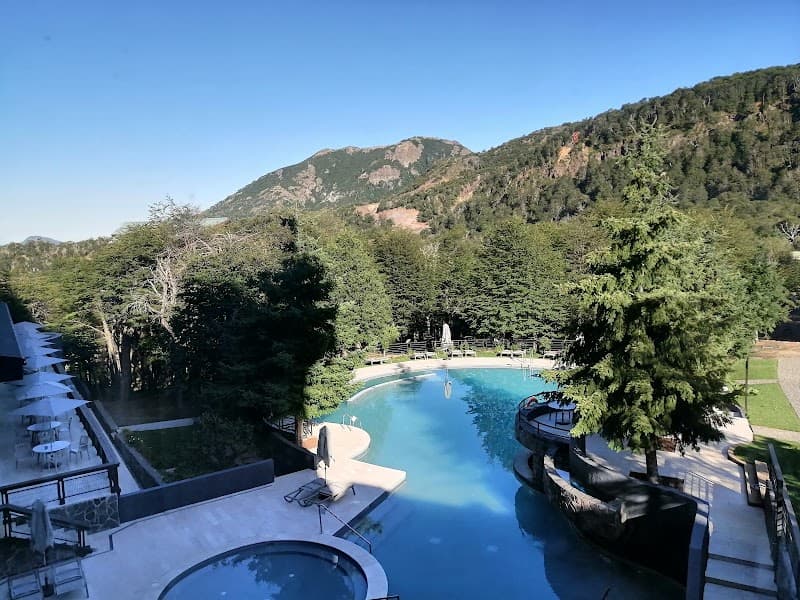
Termas de Chillán ist primär ein Thermal-Resort mit angeschlossenem Skigebiet. Mehrere natürliche Becken unterschiedlicher Temperatur (35-42°C), eingebettet in dampfende Vulkanlandschaft. Nach dem Skifahren direkt in die heißen Quellen, das ist das Kern-Erlebnis hier. Der Dampf steigt auf, Schnee liegt ringsum, magisch.
Aktivitäten für Familien
Thermalbecken für Kinder: Flachere, kühlere Pools speziell für Familien. Kinder plantschen stundenlang, das warme Wasser ist bei jedem Wetter angenehm.
Schneeschuhwandern: Geführte Touren durch die uralten Araukarien-Wälder. Diese Monkey Puzzle Trees sind bis zu 1.000 Jahre alt. Kinder sind fasziniert von den skurrilen Formen.
Spa & Wellness: Massagen, Schlammbäder, vulkanische Dampfbäder, während Kinder im Pool sind, gönnen sich Eltern eine wohlverdiente Auszeit.
Reitausflüge: Im Sommer und bei guten Bedingungen auch im Winter möglich. Geführte Touren durch die Anden-Landschaft.
Restaurants
Das Hotel-Restaurant bietet chilenische und internationale Küche. Familienfreundlich, gute Portionen, moderate Preise. In den Cabañas selbst kochen ist die günstigste und flexibelste Option, der Kamin sorgt dabei für Gemütlichkeit nach einem langen Tag.
Einkaufen
Nur ein kleiner Kiosk am Resort für Basics und Snacks. Lebensmittel-Einkauf in Chillán-Stadt vor der Anreise ist Pflicht.
When to Go
Season at a glance — color-coded by family score
Was kosten die Liftpässe?
Preise 2024 (Saison Juni-Oktober)
Erwachsene: ca. 40.000 CLP/Tag (≈ 40 €)
Jugendliche (12-17): ca. 30.000 CLP/Tag
Kinder (6-11): ca. 22.000 CLP/Tag
Kleinkinder (unter 6): kostenlos
Kombi-Tickets
Pakete mit Thermal-Zugang + Liftkarte sind deutlich günstiger als Einzelbuchung. Mehrtages-Pakete (3+ Tage) geben 15-20% Rabatt auf alles.
Preis-Realität
Für europäische Familien sind die Preise sensationell günstig. Ein kompletter Familien-Tag (2 Erw. + 2 Kinder: Lift + Therme) kostet weniger als eine einzige Erwachsenen-Tageskarte in den Schweizer Alpen. Skiverleih ab ca. 20.000 CLP/Tag, auch für Kinder in allen Größen verfügbar.
So plant ihr die Woche
✈️Wie kommt ihr nach Termas de Chillán?
Anreise
Termas de Chillán liegt im selben Vulkangebiet wie Nevados de Chillán, ca. 80 km östlich der Stadt Chillán in Zentralchile.
- Flug nach Santiago (SCL): Direktflüge aus Frankfurt (Lufthansa/LATAM, 14 Stunden). Weiter mit Inlandsflug nach Chillán (CYL, 1 Stunde).
- Fahrt ab Chillán: Ca. 80 km (1,5 Stunden) über die Ruta N-55. Die letzten Kilometer sind Bergstraße, bei Schnee Ketten empfohlen.
Transfer-Optionen
Hotel-Transfer: Das Resort bietet Shuttles ab Chillán (ca. 30.000 CLP/Person, Vorbuchung nötig). Komfortabel und stressfrei für Familien.
Mietwagen: Empfohlen für Flexibilität, besonders wenn du auch Nevados de Chillán besuchen willst (15 Min. Fahrt zwischen den Resorts). Internationale Vermieter am Flughafen Chillán.
Pro-Tipp
Saison läuft Juni bis Oktober (europäischer Sommer!). In Chillán-Stadt vorher bei Jumbo oder Líder einkaufen, am Berg gibt es nur einen kleinen Shop. Die Fahrt durch die Araukarien-Wälder ist bereits ein Erlebnis, halte für Fotos an!
💬Was sagen andere Eltern?
Was Eltern erzählen
Kein Stress, keine Überforderung.
Kinder haben Platz und Freiheit. Es fühlt sich an wie ein privates Ferienhaus mit Luxus-Therme direkt nebenan.
„Günstiger als erwartet“: Selbst mit Flug deutlich günstiger als eine vergleichbare Woche in den Alpen, und dazu ein komplett anderes Erlebnis mit Vulkanen und Urwäldern.
Kritikpunkte: Skigebiet ist klein (nach 2 Tagen kennt man alles), Infrastruktur einfach, Sprachbarriere (wenig Englisch/Deutsch), Schneeverhältnisse nicht immer zuverlässig. Wer primär Ski fahren will, ist woanders besser aufgehoben.
Families on the Slopes
(12 photos)Photos from Google Places. Posted by visitors.
Was Eltern uns am häufigsten fragen
Die Fragen, die vor der Buchung wirklich zählen
Fehlt eine Frage? Schreib uns. Wir ergänzen den Guide gern.
Unser Fazit
Würden wir Termas de Chillán empfehlen?
Was es wirklich kostet
Was eine Woche kostet
Budget-Variante (Cabaña, selbst kochen):
- Cabaña mit Thermalzugang (7 Nächte): ca. 700.000 CLP (≈ 700 €)
- Liftkarten (2 Erw. + 2 Kinder, 4 Tage): ca. 420.000 CLP (≈ 420 €)
- Lebensmittel: ca. 150.000 CLP (≈ 150 €)
- Skikurs (2 Kinder, 2 Tage): ca. 160.000 CLP (≈ 160 €)
- Mietwagen: ca. 250.000 CLP (≈ 250 €)
- Gesamt: ca. 1.680.000 CLP (≈ 1.680 €) (ohne Flüge)
Komfort-Variante (Hotel, Halbpension):
- Hotel (7 Nächte, HP): ca. 1.200.000 CLP (≈ 1.200 €)
- Liftkarten + Thermale Extras: ca. 500.000 CLP (≈ 500 €)
- Spa-Behandlungen + Ausflüge: ca. 200.000 CLP (≈ 200 €)
- Gesamt: ca. 1.900.000 CLP (≈ 1.900 €) (ohne Flüge)
Flugkosten
Frankfurt. Santiago + Inlandsflug: ca. 900-1.300 €/Person. Familie (4 Personen): 3.600-5.200 €. Vor Ort dann extrem günstig. Anfahrt mit eigenem Mietwagen spart Transferkosten, aber Schneeketten sind Pflicht auf Bergstraßen. Verpflegung im Tal deutlich günstiger als am Berg, für eine Woche mindestens CLP 200.000 weniger.
Worauf ihr achten müsst
Die ehrliche Abwägung
Termas de Chillán wählen, wenn:
- Wellness und Thermalquellen wichtiger sind als Pistenkilometer
- Deine Kinder klein sind (3-7) und noch kein ganztägiges Skifahren durchhalten
- Du Ruhe, Natur und ein entschleunigtes Tempo suchst
- Budget eine Rolle spielt, eines der günstigsten Ski-Thermal-Pakete weltweit
- Die Araukarien-Landschaft und Vulkane euch reizen
Woanders hinfahren, wenn:
- Skifahren der Hauptgrund ist, das Gebiet ist nach 2 Tagen ausgereizt
- Ihr ein großes Resort mit vielen Liften erwartet
- Sprachbarriere ein No-Go ist (kaum Englisch, kein Deutsch)
- Ihr zuverlässige Schneeverhältnisse braucht
Unser Fazit: Termas de Chillán ist perfekt für Familien, die einen Mix aus Natur-Wellness und leichtem Skifahren suchen. Kein Ort für Pistenjäger, aber ein wunderbarer Ort, um als Familie zu entschleunigen, während die Kinder im Schnee spielen und danach in warmen Quellen planschen.
Würden wir Termas de Chillán empfehlen?
Termas de Chillán ist das Anti-Programm zum stressigen Skiurlaub. Statt voller Pisten und durchgetakteter Skitage erwartet euch hier: Morgens ein paar entspannte Abfahrten, nachmittags in dampfenden Thermalbecken sitzen, abends am Kamin in der eigenen Cabaña. Umgeben von 1.000 Jahre alten Araukarien und vulkanischer Landschaft. Für Familien mit kleinen Kindern oder solche, die bewusst Entschleunigung suchen, ein Geheimtipp aus Südamerika.
Ähnliche Skigebiete
Familien, denen Termas de Chillán gefiel, mochten auch diese
Sun Peaks
Panorama
Bromont
Portillo
Pila
Samnaun
Transparenzhinweis: Dieser Inhalt wurde mit KI-Unterstützung erstellt und von Tom Meredith, unserem Redakteur, überprüft. Preise, Daten und Verfügbarkeiten können sich ändern. Wir empfehlen, Angaben vor der Buchung direkt beim Skigebiet zu bestätigen.